

 Call us Today


If you’re shopping around for scales, you may have noticed that they come in two categories; trade scales, and non-trade scales. The distinction between the two is that trade approved scales are weighing instruments certified to meet regulatory standards for accuracy and reliability, allowing them to be legally used for commercial transactions; they are designed to guarantee consistently accurate measurements, thus protecting businesses from legal penalties and ensuring consumers receive fair value in all transactions.
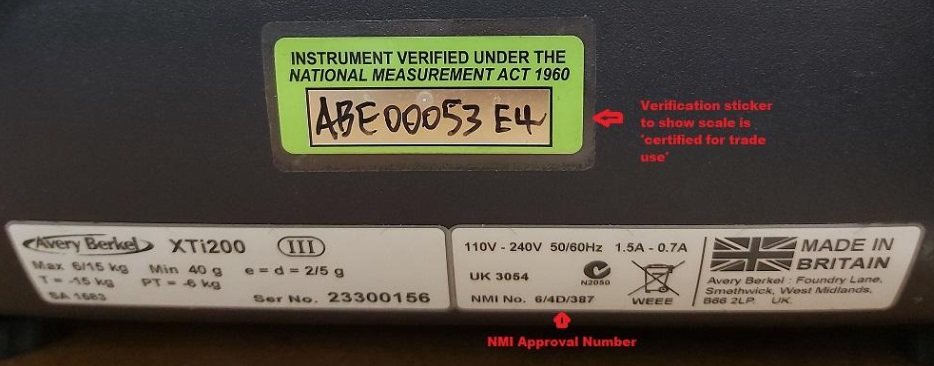
To legally sell goods by weight or measurement in Australia, businesses are required to use verified trade-approved weighing scales. Some scales come with a trade certificate upon purchase, though not all scales qualify for one. The NMI (National Measurement Institute) regulates trade-approved scales by issuing a “pattern approval”; during this process, the design of an instrument is rigorously tested against national and international standards to confirm its reliability under various operating and environmental conditions. Only instruments that pass this evaluation receive an NMI approval number, certifying them as fit for legal trade use. This process is critical for maintaining consumer confidence and ensuring fair transactions in industries that rely on precise measurements. Scales bearing an NMI approval number can be tested and verified by accredited technicians, ensuring they are suitable for legal trade. Scroll down to learn more, or browse trade scales here.
What Are Trade Scales?
Certified trade-approved scales are legally required in Australia for any transactions where weight or measure determines the price. These scales play a crucial role in ensuring compliance with trade measurement laws, safeguarding both businesses and consumers. Industries such as retail, agriculture, food production, and jewellery rely heavily on these scales to conduct fair and precise transactions. Examples of their use include selling fresh produce, deli items, bulk foods, livestock feed, precious metals, gemstones, and even pre-packaged goods with weight specifications.
The primary purpose of trade-approved scales is to ensure accurate weight measurements in commercial transactions where cost is weight-dependent. Each scale undergoes rigorous testing to meet stringent accuracy standards and is assigned an NMI (National Measurement Institute) Approval number. This number certifies the scale for legal trade use and signifies compliance with Australia’s trade measurement regulations. If a certified scale is modified or repaired, it must be re-inspected to verify that it maintains the required standards.
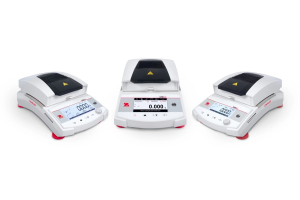
In addition to compliance, trade-approved scales such as moisture analyzers are integral to operational efficiency and customer trust. They are particularly valued in supermarkets for weighing produce and packaged goods, pharmacies for dispensing medications, logistics for determining freight costs, and jewellery stores for trading precious materials. By ensuring fairness in weight-based transactions, these scales enhance productivity, streamline processes, and build confidence in business practices.
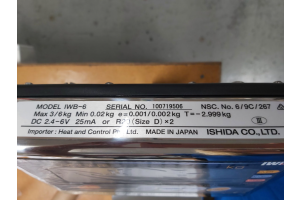
Example of a weighing instrument name plate showing NMI approval number and verification sticker
In order to maintain compliance and achieve reliable performance, businesses must invest in high-quality trade-approved scales suited to their needs. Reach out to a trusted supplier for expert guidance and tailored solutions to support your operations and uphold regulatory standards.
What Are Non Trade Scales?
Non-trade scales, while lacking the stringent accuracy certifications required for legal trade, can still deliver reliable results for specific applications. However, unchecked issues in these Premium Moisture Analyser scales could impact the consistency and quality of their readings, which might not meet the demands of commercial transactions. For this reason, non-trade scales are intended for non-commercial use, such as internal processes, personal applications, or operational support where weight readings are informational and not tied to financial transactions.
Non-trade scales are highly versatile and widely used in industries where measurements are not directly tied to monetary exchanges. For example, laboratories use non-trade scales for research and testing, manufacturing facilities monitor material quantities for internal tracking, and agricultural settings might rely on them to gauge livestock health or feed quantities. Additionally, non-trade scales are employed to ensure machinery adheres to load-bearing capacities or for personal use, such as dietary measurements or hobby projects.
For industries or individuals requiring consistent and dependable results, using trade-approved quality scales is advisable, even when not legally mandated, to uphold reputation, ensure precise reporting, and maintain operational accuracy.
NMI Requirements For Trade Scales
The National Measurement Institute plays a pivotal role in ensuring fairness and accuracy in commercial transactions involving weights and measures in Australia. As the governing body for trade measurement laws, the NMI regulates, certifies, and oversees the use of trade-approved scales to ensure compliance with legal standards. Their responsibilities include assessing the design and functionality of scales through a rigorous certification process to issue pattern approvals, which confirm that a weighing instrument meets the required technical and legal standards for trade use.
The NMI’s certification process begins with a thorough evaluation of a scale’s design, performance, and accuracy under varying conditions. If the scale meets these standards, it is assigned an NMI Approval number, signifying it is suitable for legal trade use. After certification, the instrument must undergo verification by an accredited technician before it can be used commercially. Verification ensures the scale operates accurately and adheres to the approved design. Additionally, scales require re-verification after significant modifications, repairs, or at mandated intervals to maintain their legal compliance.
Compliance with NMI requirements is crucial for both businesses and consumers. For businesses, adhering to trade measurement laws safeguards their reputation and avoids hefty fines for non-compliance, which can be a costly sum for most companies. For consumers, it ensures confidence that they receive exactly what they pay for, whether purchasing goods by weight or measure. By enforcing strict standards, the NMI supports a transparent and equitable marketplace, benefiting all stakeholders involved in trade.
Trade Vs. Non-Trade Scales
| Aspect | Trade Scales | Non-Trade Scales |
| Purpose | Used for transactions where weight determines cost (e.g., in retail, agriculture, and food industries). | Used for internal purposes, such as in laboratories or manufacturing, where weight readings are informational and not for financial transactions. |
| Certification | Certified by NMI or other regulatory bodies to meet specific accuracy standards for legal trade use. | Typically not certified for legal trade; may undergo basic performance checks. |
| Regulations | Must comply with strict national trade measurement laws, including the NMI's certification and verification process. | Less regulated; used where legal compliance is not required |
| Cost | More expensive due to certification, accuracy testing, and compliance with regulations. | Generally more affordable due to lack of certification and less stringent accuracy standards. |
| Accuracy | Must meet rigorous accuracy standards, with precise testing and periodic verification. | Accuracy may vary; less stringent testing and lower reliability. |
| Use Cases | Used in retail, food, fuel, precious metals, and other industries where weight determines cost. | Used in internal applications such as monitoring livestock health, internal reporting, or machine load-bearing capacities. |
| Approval Number | Issued with an NMI approval number, confirming the scale's suitability for legal trade purposes. | No approval number; scales are not certified for legal trade. |
| Legal Consequences | Non-compliance can result in fines up to $170,000 for businesses, $34,000 for individuals. | No legal consequences for internal use, but using for commercial transactions could lead to penalties if misused. |
Why Choosing the Right Scale Matters
The consequences of non-compliance with regulatory standards can be severe and costly for businesses — whether through fines, reputational damage, or operational delays — can far outweigh the upfront investment in maintaining compliance.
To avoid these risks, businesses must invest in proactive compliance strategies that include documentation, follow-up, and tracking to ensure adherence to regulatory standards.
Our Top Trade Approved Scales
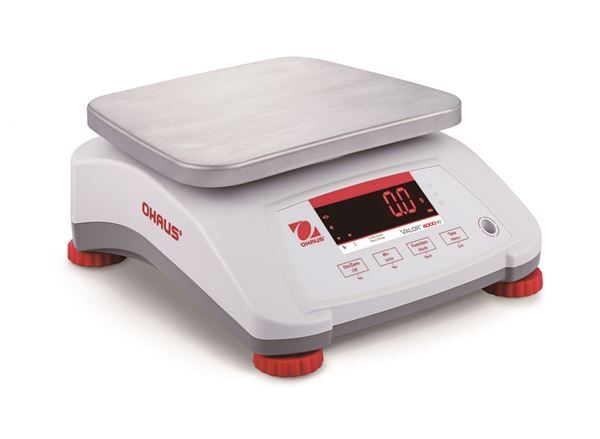
Trade Approved Bench Scale - Ohaus Valor 4000
The Trade Approved Bench Scale - Ohaus Valor 4000 are ideal for food and commercial applications, including wet environments. Features include a large 20.5mm LED red display, fast response time, dual displays, and an IPX8 protection rating. The scales offer a portable design, with both AC and rechargeable battery options, and support weighing, % weighing, checkweighing, and accumulation modes. They are NMI trade approvable when verified, with a platter size of 190mm x 242mm, and offer finer readability for non-trade uses. A 1-year manufacturer's warranty is included.
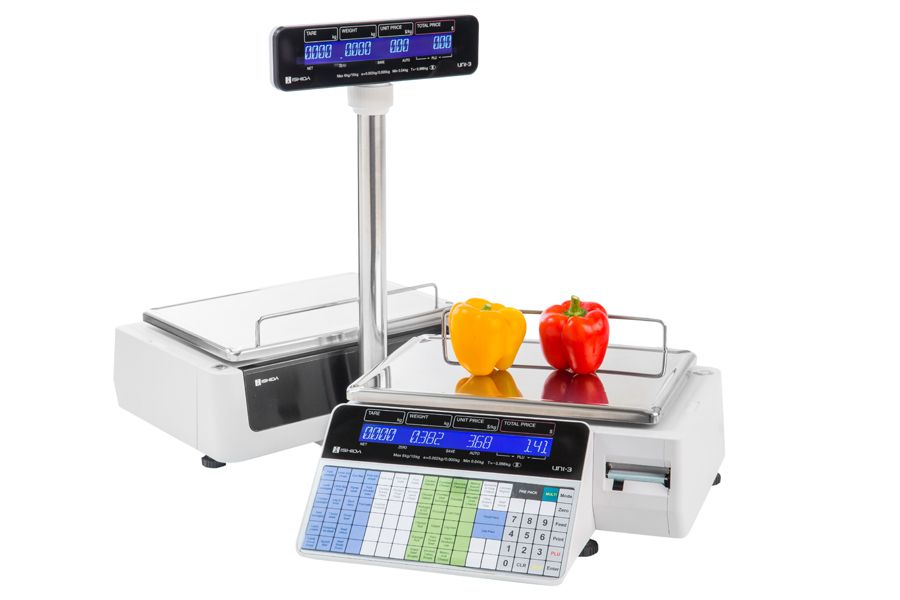
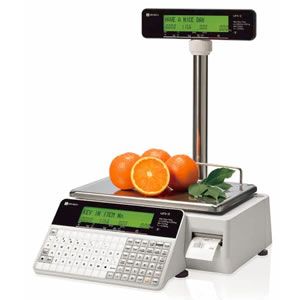
Trade Approved Label Printing Scale –Ishida Uni3
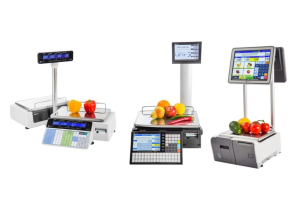
The Ishida Uni3 Label printing scale is ideal for retail and prepacking of food products. From delis, butchers, seafood, cheese-makers, grocers and fruit & veg retailers the Uni3 scale will weigh and label your product quickly and accurately. With the ability to print ingredients, barcodes, and nutritional information and comply with PEAL labelling requirements the Uni3 is a very versatile retail scale. Available in a pole display or bench display models to suit various applications. Capacity 6/15kg x 2/5g.
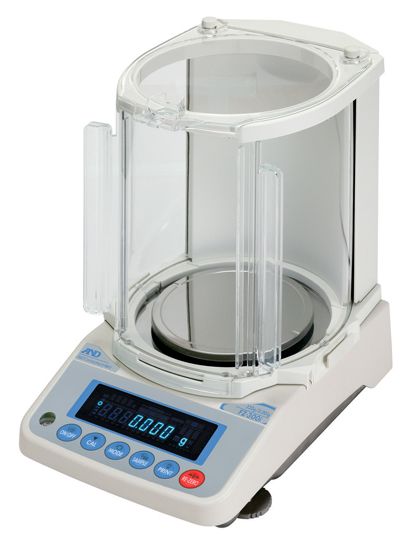
Trade Approved Precision Balance - A&D FZ-i Series
The Trade Approved Precision Balance - A&D FZ-i Series is an excellent choice for both research and development and production applications, with trade-approved models available to meet diverse needs. Key features include air pump-controlled internal calibration, a Perspex breeze break, an animal weighing function, and a comparator function for versatile use. It supports multiple weighing units, comes with a standard RS232 interface, and offers optional USB and Ethernet connectivity as well as a rechargeable battery. Backed by a five-year manufacturer’s warranty, it combines precision, adaptability, and reliability for various weighing tasks.
Nuweigh Trade Approved Platform Scale (JAC929 Series)
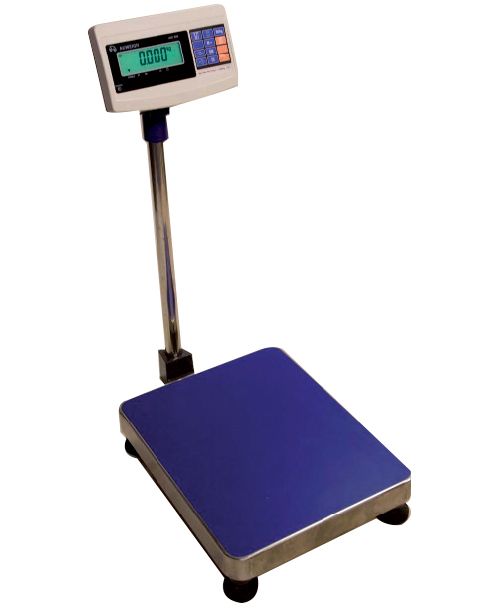
The Nuweigh Trade approved Platform Scale (JAC929 Series) is a durable, trade-approved platform scale designed for various industrial applications. It features a 26mm LCD backlit display, internal rechargeable battery with AC power options, and a stainless steel weighing platter. The scale includes simple counting, tare, and zero functions, a dust protection cover, and optional RS232 output. Available capacities include 30kg x 10g, 60kg x 20g, 150kg x 50g, 280kg x 100g, and 300kg x 100g. The standard platform size is 420mm x 520mm, with a smaller base version available for up to 150kg and a platform size of 300mm x 400mm.
Conclusion
Trade scales are certified for legal transactions and must meet strict regulatory standards for accuracy, while non-trade scales are typically used for personal or internal purposes, lacking certification for commercial use. Approved scales ensure legal compliance, accurate measurements, and reliable transactions, protecting businesses from penalties and enhancing credibility in trade. You can browse Able Scale’s trade scales here, or check out our many other products and services here. Need assistance? You can get in touch with us directly here.
Have questions about our products and services?
We are here to help. Please fill in our online enquiry form below, and we will respond to you within the next business day.