

 Call us Today



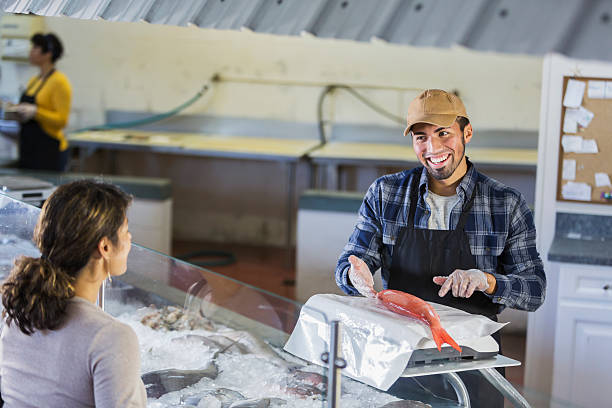
In the seafood industry, precise weighing scales are more than a technical tool of the trade; they are the foundation of fair trade and efficient operations. Quality weighing scales ensure that every customer receives the exact amount they pay for, fostering trust and long-term satisfaction. Even small discrepancies in weight can add up to significant financial losses, making precision essential for maintaining profitability and transparent pricing. When vendors deliver consistent accuracy, they strengthen customer confidence, encourage repeat purchases, and build a strong reputation for reliability. By implementing advanced weighing technologies, such as modern weight batchers, fish markets can streamline their workflows, minimise disputes, and enhance both productivity and customer loyalty.
No matter the task or industry, industrial scales must meet high performance standards. They are required to function accurately and consistently under challenging conditions, including exposure to moisture, fluctuating temperatures, and varying loads. This demand is particularly evident in the food sector—especially within the fish industry—where scales are routinely exposed to ice, water, and salt, as well as contact with fish slime, scales, oils, and processing by-products like vinegar or edible acids. To withstand these conditions, weighing systems must be exceptionally robust, resistant to corrosion, and protected against dust and splashing water.
Why Accurate Weighing Matters in the Seafood Industry
In fast-paced fish markets, where speed and transparency are key, accurate weighing directly influences not only daily earnings but also vendor credibility and consumer trust.
Weight inconsistencies can easily lead to customer dissatisfaction, pricing disputes, and reputational harm. Leveraging reliable weighing equipment helps ensure fairness, improve transaction efficiency, and create a marketplace built on accuracy and mutual confidence.
This is as important for the customer as it is for the seafood vendor. Every gram matters, as even minor inaccuracies in weight can accumulate into significant financial losses over time. Precise weighing ensures that pricing remains fair for both vendors and customers, supporting transparent transactions and protecting profit margins.
Accurate measurements are also essential for inventory management, allowing processors and distributors to track stock levels precisely, reduce waste, and optimise supply chain efficiency. Beyond compliance and efficiency, weighing accuracy contributes directly to product consistency and customer trust. When customers receive uniform portions that match what is advertised, it reinforces confidence in the brand and encourages repeat business. From warehousing to shipping and receiving, precision in weighing forms the backbone of a fair, efficient, and trustworthy seafood supply chain.
Many modern industrial scales are equipped with built-in interfaces that allow weighing results to be seamlessly transferred to a company’s computer network. This connectivity supports traceability of product batches, facilitates quality control, and enables better monitoring of capacity and efficiency throughout the production process. For businesses in the fish industry, investing in durable, accurate, and connected weighing systems ensures both operational reliability and compliance with strict food industry standards.
Seafood Weighing Scales: Key Features to Look For
- Waterproof and Corrosion-Resistant Construction: Seafood processing environments are typically wet, cold, and exposed to salt, ice, and cleaning agents. Scales with waterproof and corrosion-resistant construction prevent damage from these conditions, ensuring long-term reliability and reducing maintenance costs. Such durability also minimises downtime and keeps operations running smoothly.
- Stainless Steel Housing: Stainless steel housings are highly resistant to rust, scratches, and chemical exposure, making them ideal for harsh seafood environments. They are easy to clean and sanitise, supporting strict hygiene standards, which is critical for food safety and regulatory compliance.
- IP-Rated Protection: IP-rated scales provide verified protection against dust and water ingress. Depending on the rating, they can withstand splashes, high-pressure cleaning, and accidental spills, which helps maintain accurate measurements and prolong the life of the equipment in challenging environments.
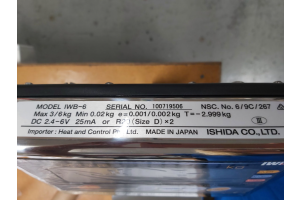
- Trade Approval: Scales with trade approval are certified for commercial use, ensuring that measurements meet legal standards for selling products by weight. This certification guarantees fairness in transactions, reduces disputes with customers, and ensures compliance with local trade regulations.
- Portability & Versatility: Portable scales can be easily moved between processing areas, storage, or shipping stations, increasing operational flexibility. Versatile scales often support multiple units of measure, tare functions, and connectivity to inventory systems, streamlining workflow and improving efficiency across the supply chain.
- High Precision & Fast Response Time: Accurate, fast-responding scales ensure consistent portioning, which is essential for pricing fairness and customer satisfaction. High precision helps prevent small errors from accumulating into significant financial losses and supports effective inventory control, regulatory compliance, and quality assurance.
Different Types of Scales for Weighing Seafood
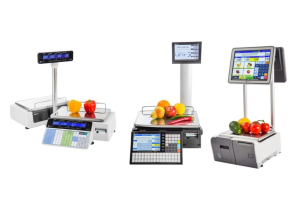
- Bench Scales: Perfect for packaging stations and retail counters, bench scales offer compact, reliable weighing for smaller portions or pre-packaged seafood. Their precision ensures consistent product sizing, supports accurate pricing, and helps maintain customer trust in retail and market settings.
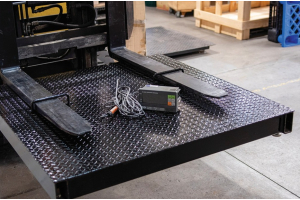
- Platform Scales: Designed for bulk weighing at processing facilities, platform scales can handle large volumes of fish or seafood crates. They are ideal for inventory management, enabling efficient tracking of stock, preventing overloading, and ensuring operational accuracy in high-volume environments.
- Checkweighers: Checkweighers are essential for maintaining portion control and quality assurance during processing. Their waterproof design allows for easy cleaning and sanitation, ensuring compliance with food safety standards while reducing the risk of cross-contamination.
- Hanging or Crane Scales: Used on boats, docks, or for weighing large catches, hanging scales provide accurate weight measurements for bulky or awkward loads. They are essential for fisheries and wholesalers to ensure fair trade, prevent losses, and verify compliance with regulatory weight requirements.
- Portable Waterproof Scales: Ideal for mobile seafood vendors, market stalls, or field operations, these portable waterproof scales combine mobility with durability. Waterproof construction ensures reliable performance even in wet or outdoor conditions, allowing vendors to deliver accurate portions, maintain pricing fairness, and uphold customer confidence.
Choosing the Right Scale for Your Seafood Operation
When selecting the right weighing scales for seafood operations, several critical factors should be carefully considered to ensure efficiency, accuracy, and compliance:
- Match Scale Type with Operation: The type of scale should align with the specific needs of your operation. Wholesale and processing facilities often require high-capacity platform or hanging scales for bulk measurements, while retail or market operations benefit from precise bench scales for portioning and packaging. Choosing the appropriate type ensures both accuracy and workflow efficiency.
- Consider Budget, Durability, Accuracy, and Compliance: Budget constraints are important, but they should be balanced with the need for durable, long-lasting equipment that performs reliably in wet and corrosive seafood environments. Accuracy is crucial for fair pricing, inventory control, and minimizing financial losses, while compliance with trade and food safety regulations ensures legal and operational standards are met.
- Consult Experts or Certified Suppliers: Engaging with experienced scale suppliers or industry experts helps identify equipment that meets both operational and regulatory requirements. Certified suppliers can advise on features, maintenance, and calibration needs, ensuring your scales are reliable and fully compliant.
- Evaluate Size, Weight Capacity, and Additional Features: Consider the physical dimensions of the scale, its weight capacity, and any special features like waterproofing, connectivity to inventory systems, or portability. Proper sizing and capacity ensure the scale can handle your typical product volumes, while additional features can streamline operations, improve traceability, and enhance workflow efficiency.
Which Seafood Weighing Scale is Right for Me?
Ultimately, the best type of scale for you will be contingent on your specific business requirements. However, if you’d like some help in your search, you can contact us directly, or start by looking at the following best-sellers…
- Checkweighing Bench Scale - A&D FS-Ki Series: A&D FS-Ki Checkweighers feature a durable stainless steel design with an IP65 rating for easy cleaning and reliable performance in demanding environments. Key features include a comparator function with three bright indicator lights (LO, OK, HI), an analogue sweep display, multiple weighing units, and a large backlit LCD display. The scale also offers 99-product memory, trade approval, dual power options (AC mains and rechargeable battery), and optional RS232 and relay outputs. Backed by a one-year manufacturer’s warranty.

- Stainless Steel IP68/69K Platform Scale - Ohaus Defender 6000: The Ohaus Defender 6000 scale is built for demanding washdown environments that require maximum protection. If your equipment undergoes frequent washdowns, an IP69K-rated scale offers the best level of durability and hygiene assurance. The Defender 6000 is perfectly suited for food processing applications, where maintaining strict cleanliness standards is essential and regular washdowns are part of daily operations. The Defender 6000 comes equipped with an IP68/69K water-resistant rating, ensuring reliable performance in wet or high-pressure cleaning environments. It can be NMI trade approved when certified, offering versatility for both commercial and industrial applications.

- Trade Approved Bench Scale - Ohaus Valor 4000: The Ohaus Valor 4000 scales are built for food and commercial use, including wet environments. They feature a large 20.5 mm red LED display, fast response time, and dual displays for easy reading. With an IPX8 water protection rating, a knife-resistant keypad, and a portable design, they can operate on AC power or the included rechargeable battery. The scales support weighing, percentage weighing, checkweighing, and accumulation modes, have a 190 mm × 242 mm platter, offer finer readability for non-trade applications, and are NMI trade approvable when verified, backed by a 1-year manufacturer’s warranty.

Conclusion
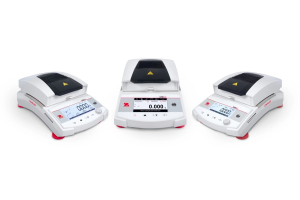
Ultimately, high quality seafood scales will protect both the vendor’s profits and the customer’s confidence. High-quality fish weighing scales along with the moisture analyzers are essential for accuracy, efficiency, and trust in seafood operations. They ensure fair pricing, consistent portioning, and compliance with regulatory standards, while also supporting effective inventory management and reducing financial losses from measurement errors. Durable, waterproof, and corrosion-resistant construction are necessary if you wish to maintain hygiene and efficiency while withstanding the harsh processing environments of the trade. Trade approval, fast response times, and connectivity to data systems will further enhance operational efficiency. You can explore the full Able Scale Range here. For all enquiries, get in touch with us directly here.
Have questions about our products and services?
We are here to help. Please fill in our online enquiry form below, and we will respond to you within the next business day.