

 Call us Today


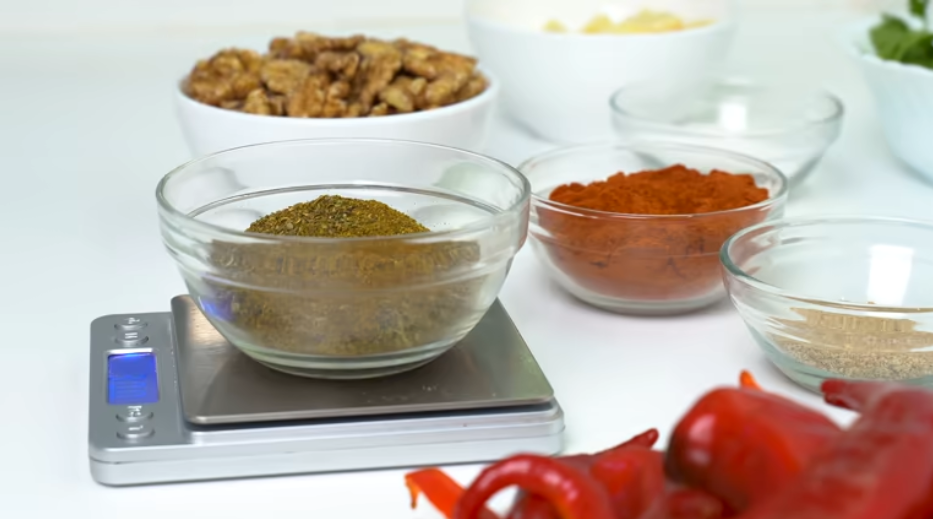
Looking for a quality spice weighing scale that you can rely on? Dependable weighing solutions for spices are more important now than ever before. As anyone who is working within the spice trade knows, it’s an extremely competitive landscape, and accurate weighing plays a vital role at every stage of the supply chain. For producers and processors, precise measurement ensures cost control, helps reduce product waste, and maintains consistency in blending and packaging. For exporters and retailers, it supports regulatory compliance, particularly with regard to food labelling and international trade standards. Moreover, consistent weighing practices help build consumer trust and reduce the risk of disputes in commercial transactions.
The global spice market involves the cultivation, processing, trade, and distribution of a wide range of products, including black pepper, cardamom, cumin, chili, turmeric, cinnamon, and ginger. Domestically and internationally, the market is highly fragmented and competitive, with opportunities for growth in both established and emerging regions. Spices have played a vital role in human history for thousands of years, prized not only for their ability to enhance flavour but also for their medicinal, preservative, and economic value. Today, the spice industry remains a dynamic and growing sector, driven by both traditional culinary practices and evolving global food trends. From household kitchens to large-scale food manufacturers, the demand for high-quality, precisely measured spices is stronger than ever.
Whether operating in local markets or participating in international supply chains, businesses in the spice industry must prioritise investment in reliable weighing solutions. These tools not only improve operational efficiency but also support product quality, safety, and profitability in a fast-paced and flavour-driven market.
The Common Challenges of Weighing Spices
Despite the importance of accurate weighing in the spice industry, several challenges can affect precision and efficiency during the process:
- Fine Texture & Volatility of Powdered Spices: Many spices, especially in powdered form (eg. turmeric, chili powder, and cinnamon) have extremely fine textures. These particles can become airborne easily, leading to material loss during weighing and potential contamination. The volatile nature of fine powders also makes it difficult to achieve stable weight readings, particularly in environments with air movement or vibrations.
- Variability in Moisture Content: Spices can absorb or lose moisture depending on storage conditions and local humidity levels. This fluctuation can sometimes impact weight and lead to inconsistencies in packaging and formulation. For instance, a batch of dried herbs or seeds may weigh more or less than expected due to moisture absorption, affecting both cost accuracy and compliance with labelled net weights.
- High-Value Nature of Certain Spices: Spices like saffron, cardamom, vanilla, and cloves are among the most expensive commodities by weight. Even minor discrepancies in measurement can result in significant financial loss. In these cases, ultra-precise weighing systems with high resolution and minimal tolerance for error are essential to ensure profitability and avoid disputes in trade or production.
- Static Electricity and Product Adhesion: Some spices, particularly dry and powdered varieties, are prone to static buildup, causing them to cling to surfaces of weighing pans or containers. This can result in under-measurement and increased cleaning requirements between batches, adding to processing time and reducing overall efficiency.
- Cross-Contamination Risks: The strong aromas and potency of certain spices (such as cumin, fenugreek, and cloves) mean even trace amounts can impact the flavour and quality of subsequent batches. Accurate weighing must be paired with hygienic design and easy-to-clean equipment to prevent cross-contamination and maintain product integrity.
Importance of Precision in Spice Weighing
Precision in weighing is essential across all stages of spice production and distribution, from blending and packaging to trade and export. Due to the concentrated nature and high value of many spices, even small deviations in weight can have significant consequences; economically, operationally, and legally. The following considerations highlight why accuracy in the spice trade matters greatly…
- The Impact on Packaging and Labelling: Precise weighing ensures that product packaging reflects the correct net weight, which is vital for both consumer trust and regulatory compliance. Overfilling increases production costs unnecessarily, while underfilling may result in customer complaints, brand damage, or legal penalties. Accurate weighing equipment supports consistent and lawful labelling in both domestic and international markets.
- Maintaining Batch Consistency in Blends: Spice blends require exact proportions to maintain consistent flavour, aroma, and quality across batches. Any variation in weighing can lead to imbalanced blends, affecting product taste and potentially damaging a brand’s reputation. Precision is particularly crucial for commercial spice mixes used in ready-made meals, sauces, or processed foods.
- Avoiding Wastage and Ensuring Fairness in Trade: In a sector where even small quantities can be high in value (such as saffron or cardamom), accurate weighing helps prevent unnecessary product loss and ensures fair pricing in both retail and wholesale transactions. It promotes transparency and mutual confidence between buyers and sellers.
- Adherence to Food Safety & Export Compliance Regulations: Many countries have strict standards regarding ingredient quantities, labelling, and traceability. Precision in weighing supports compliance with food safety requirements, including Hazard Analysis and Critical Control Points (HACCP) systems. For exporters, accurate weighing is essential to meet international standards and avoid shipment rejections, fines, or delays at borders.
The Types of Spice Weighing Equipment

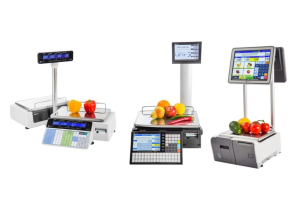
Retail Weighing Scales: Retail scales are equipped with price computing functions that display unit price, total price, and item weight. This feature makes them an essential tool for market stall owners the world over. Retail scales ensure fair pricing for products sold by weight, such as fruit, vegetables, and meat, and help prevent pricing discrepancies. With built-in PLU (Price Look Up) codes, these scales streamline transactions by storing prices for frequently sold items, reducing manual entry. Many models are also portable, offering flexibility for off-grid use and added security through easy transport and storage.

Precision Balances: Precision analytical balances, also known as precision scales, are vital tools in any laboratory environment where high accuracy and repeatability is critical. Designed to measure small sample weights with exceptional precision, these compact balances are ideal for applications such as chemical analysis, formulation, and quality control. They ensure reliable results with features like draft shields, calibration functions, and high-resolution displays. These dependable and highly accurate instruments offer capacities ranging from 120 grams up to 64 kilograms, with readability levels between 1 gram and 0.1 milligram. This versatility allows them to handle tasks such as counting, quality control, formulation, and sample or standard preparation. Lower-readability models often include a draft shield to maintain measurement accuracy, while higher-capacity versions come with larger weighing pans to support heavier items.

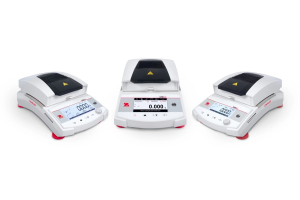
Moisture Balances: A moisture balance is a precision instrument designed to accurately determine moisture content. This measurement is especially important in processing, as moisture levels often indicate freshness and quality in many food products. Equipped with advanced technology, these balances deliver exceptional accuracy and versatility across numerous industries. Moisture balances are essential in sectors such as food, pharmaceuticals, and manufacturing, where precise moisture measurement ensures product quality, regulatory compliance, and process optimisation. Moisture content affects pricing, manufacturability, and overall product standards, influencing everything from raw materials to final goods; as such, accurate moisture analysis is vital for product development, manufacturing workflows, and quality assurance.
Key Features to Look For in Spice Weighing Scales
When purchasing your next set of scales, check to see if they cover the following key features…
- High Resolution & Sensitivity: This feature ensures precise measurement of small quantities typical in spice weighing. Such accuracy is crucial for maintaining product consistency and cost control, especially with high-value spices.
- Easy-to-Clean Surface: This feature prevents cross-contamination and maintains hygiene, especially for aromatic powders. Smooth, non-porous materials allow quick cleaning to avoid residue build-up and flavour transfer.
- Compact, Hygienic, & Food-Safe Designs: Such scales are designed to occupy minimal space in busy work areas while ensuring easy cleaning and preventing contamination. Made from food-grade materials and built to meet strict safety standards, they help maintain product integrity and comply with hygiene regulations in food handling environments.
- Data Connectivity for Traceability: This allows seamless recording and tracking of weights for quality control and compliance. Integration with software systems supports accurate documentation and audit readiness.
- Tare Function/Unit Switching/Overload Protection: Enhances usability, flexibility, and safeguards the scale from damage. Such features improve workflow efficiency and ensure reliable operation under various weighing conditions.
Compliance & Traceability
Navigating regulations for selling spices in Australia requires a clear understanding of local and international safety standards, including compliance with certifications like ISO and HACCP. Accurate weighing plays a vital role in meeting these standards, ensuring products adhere to quality requirements and support certification processes. Integrating weighing data with labelling and ERP systems enhances traceability, streamlines compliance, and improves operational efficiency. Staying informed about regulatory updates and best industry practices is essential for success in both domestic and export spice markets.
Conclusion
Using the right balances to weigh spices is vital for ensuring accuracy, maintaining product quality, and meeting regulatory standards. Precise weighing prevents pricing errors, supports consistent blends, reduces waste, and enhances traceability. Choosing the right balance for you can help businesses maintain fairness, compliance, and customer trust. You can explore Able Scale's full range of products and services here. For all inquiries, get in touch with us directly.
Have questions about our products and services?
We are here to help. Please fill in our online enquiry form below, and we will respond to you within the next business day.