

 Call us Today


Why Choosing the Right Label Matters
Product labelling is crucial as it provides essential information to consumers, ensuring they understand the product’s contents, usage, and safety precautions, thereby fostering informed purchasing decisions. A highly efficient and economical labelling option is the thermal label. Thermal labels are labels that are created through a heat-based printing process, and they cover a wide range of applications, such as product labelling, barcoding, expiration dates, ingredient lists, food packaging, price tags, pharmaceutical labelling, and shipping labels. Their ease of bulk production, along with customizable designs, enhances their practicality across industries like retail, healthcare, and logistics, and eCommerce businesses. You can scroll down to learn more, or browse thermal labels here.
Types of Thermal Labels
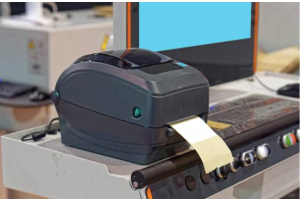
Direct thermal and thermal transfer printing are two distinct thermal printing methods for producing high-quality labels and printed materials. Both are excellent for printing barcodes, text, and images, but understanding the key differences between them helps in choosing the right printer for your specific needs.
What are Direct Thermal Labels?
Direct thermal printing relies on a heat-sensitive material that blackens when heated. However, due to its sensitivity, the print fades over time and can become difficult to read or scan, especially if exposed to abrasions, moisture, chemicals, or sunlight. Consequently, direct thermal printing is generally not suitable for long-term applications. It's most effective for labels with a lifespan under six months, like shipping labels, receipts, tickets, or perishable goods labels. Direct thermal printers, which do not require ribbons, are compact and commonly used in mobile printing devices. This simplicity reduces operational costs, maintenance needs, and overall complexity.
Direct Thermal Label Pros
- Easy to Use: No ribbon required, which lowers costs and simplifies operations.
- Widely Compatible: Works with most printers, offering versatility.
- Cost-Effective: Reduces consumable costs since no ribbon is needed.
- Efficient: Eliminates ribbon changeovers, improving productivity.
- High-Quality Images: Prints are clear, readable, and easy to scan.
- Material Options: Available in paper and synthetic types to suit different conditions.
- Reliable Print Quality: Meets standard requirements for common labelling needs.
Direct Thermal Label Cons
- Limited Longevity: Prints fade within 6–12 months, reducing readability.
- Sensitive To Light and Heat: Exposure can cause discoloration, impacting print clarity.
- Low Abrasion Resistance: Prone to damage in high-contact settings, unlike thermal transfer labels.
What are Thermal Transfer Labels?
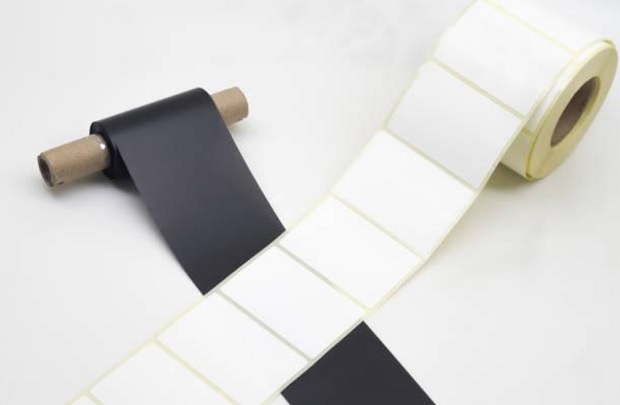
Thermal Transfer Labels use ribbons of wax or resin-based ink that melts onto the label, creating a highly durable, long-lasting print. This method is ideal for labels that must endure harsh environments or last over six months, such as those used for asset tracking, laboratory specimens, and outdoor or cold storage. It supports a wide variety of materials, including paper and synthetic options like polyester, which offer maximum durability, and allows for colour-coded labels using coloured ribbons.
Thermal Transfer Label Pros
- Precision: Provides precise, high-quality prints, suitable for barcodes, small text, and detailed graphics.
- Versatility: Compatible with a range of label materials and colours, supporting branding and aesthetic flexibility.
- Long-Lasting: Durable, with excellent resistance to heat, moisture, and chemicals, ensuring long-lasting readability.
Thermal Transfer Label Cons
- Requires Ribbon Inventory: As thermal transfer requires a ribbon inventory for ribbon changes, it can add to both costs and setup time.
- Occasional Incompatibility: Not all printers are compatible with thermal transfer, and ribbons can wrinkle, affecting print quality if improperly loaded.
Comparison Summary of Thermal Label Types
| Feature | Direct Thermal Labels | Thermal Transfer Labels |
| Printing Method |
Uses heat to darken a heat-sensitive material |
Transfers ink from a ribbon to the label using heat |
| Durability |
Moderate, less resistant to wear |
High, very durable and resilient |
| Longevity |
Best for short-term use |
Ideal for extended use (lasting over 6 months) |
| Colour Printing |
Black printing only |
Supports multiple colours with coloured ribbon options |
| Common Applications |
Shipping, barcode, and weight scale labels |
Labels for chemicals, outdoor use, and laboratory items |
| Maintenance |
Low, no ribbon changes required |
More maintenance due to ribbon replacement needs |
| Print Speed |
Fast |
Slightly slower due to ribbon mechanics |
| Environmental Suitability |
Suitable for indoor, controlled conditions |
Designed for tougher environments |
| Label Cost |
Higher cost per label |
Lower cost per label |
| Overall Cost |
Generally lower (no ribbons needed) |
Higher (additional cost for ribbons) |
Material Types: Paper & Synthetic Labels
Labels typically come in two categories; synthetic and paper, with each variety coming with their own pros and cons…
What are Synthetic Labels?
Synthetic labels (sometimes referred to as film labels) are produced from materials such as polyethylene (PE), polypropylene (PP), and polyester (PET). These materials create a strong and adaptable labelling option, particularly for products that demand enhanced durability and environmental resistance. These labels are commonly used in industries that face challenging conditions, including chemicals, paints, cleaning supplies, automotive components, and outdoor gear. Their strength and longevity make them especially popular in logistics and transportation.
Synthetic labels offer several advantages, including:
- Exceptional durability, as they resist water, chemicals, and abrasion, making them suitable for products in extreme conditions.
- Their longevity ensures that product information remains intact and legible throughout their lifecycle.
- Synthetic labels are versatile and can adhere to various surfaces, such as plastics, metals, and glass.
- They provide superior print quality, with high-resolution graphics and text that enhance brand visibility and consumer appeal.
- These labels can be customised with different finishes, including gloss, matte, and UV coatings, to meet specific branding requirements.
However, synthetic labels do have some drawbacks:
- They tend to be more expensive than paper options due to the materials and production processes involved
- They are less environmentally friendly, which may be a concern for businesses looking to reduce their ecological footprint.
What are Paper Labels?
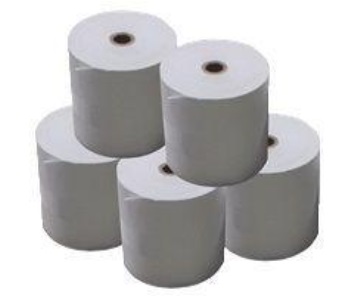
Paper labels come in various types, such as coated, uncoated, and thermal paper, and are designed for use in controlled environments where exposure to harsh conditions is minimal. They are widely used across sectors like food and beverage, retail, cosmetics, and pharmaceuticals, serving purposes such as product packaging, pricing, shipping labels, and barcodes.
Paper labels present their own set of advantages:
- They are generally more cost-effective to produce, making them a budget-friendly choice for many businesses.
- Made from renewable and biodegradable materials, paper labels are more eco-friendly than synthetic counterparts.
- They can be printed using various methods, such as digital, flexographic, and offset printing, allowing for design and production flexibility.
- Paper labels are typically easier to apply and can be used with different adhesives.
However, paper labels also come with limitations:
- They are less durable and can be easily damaged by water, chemicals, and abrasion, leading to a limited lifespan.
- Over time, they are prone to wear and tear, which can compromise the printed information.
- Paper labels may struggle to adhere to certain surfaces, particularly those that are rough or textured.
The Difference Between Synthetic & Paper Label Materials
- Durability & Longevity: Synthetic labels excel in durability and longevity. They are the ideal choice for products exposed to harsh conditions, frequent handling, or when long-lasting information is necessary.
- Environmental Impact: When it comes to environmentalism, paper labels take the advantage, particularly if sustainability is a key focus for your brand. Just make sure that the product and storage conditions align with the limitations of paper.
- Cost Considerations: Paper labels are generally more budget-friendly at the outset. However, it’s important to evaluate long-term costs; if frequent label replacements are needed due to durability issues, synthetic labels may be more cost-effective in the long run.
- Print Quality & Customization: Both synthetic and paper labels can deliver excellent print quality and customization options. However, synthetic labels offer a broader range of finishes and textures.
- Industry Compatibility: Synthetic labels excel in applications involving chemicals and cleaning products due to their superior durability. For food and beverage products, both synthetic and paper labels can be appropriate depending on specific requirements. Synthetic labels are also favoured for durable goods because of their enhanced longevity. Conversely, paper labels are ideal for dry goods and short-term use, as they offer an economical and eco-friendly solution.
Which Combination is Right For Your Product?
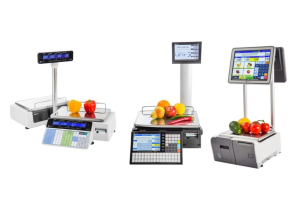
For short-term or indoor applications, direct thermal paper labels are a cost-effective option for weighed product labelling typically used in label printing scales, shipping and retail tags. For long-term or outdoor use, thermal transfer synthetic labels are ideal due to their durability in industrial environments, outdoor storage, and asset tagging. Environmentally conscious businesses may prefer paper labels for their biodegradability, particularly if minimising environmental impact is a priority.
Conclusion
Thermal labelling enables fast, cost-effective printing, ideal for producing large volumes of labels without needing ink. These labels are adaptable and can be tailored for a variety of uses, making them valuable across many sectors.You can browse Able Scale’s selection of thermal labels here, browse Able Scale’s thermal paper rolls here, or head over to our homepage to see our wide range of products and services. For all orders and inquiries, you can contact us here.
Have questions about our products and services?
We are here to help. Please fill in our online enquiry form below, and we will respond to you within the next business day.