

 Call us Today


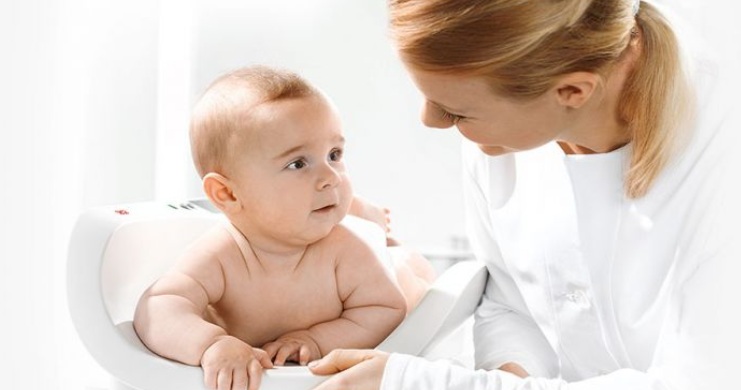
The importance of Seca pediatric scales cannot be overstated. Weighing devices such as Seca scales are vital in growth tracking, medication dosing, and the ongoing nutritional evaluation of a newborn child. Monitoring an infant's weight is among the most dependable measures of their health and growth; pediatricians analyse weight gain trends to determine if a baby is feeding adequately and developing appropriately. To assess whether a baby is at risk, daily weighing with a neonatal scale is recommended to evaluate growth, fluid needs, and nutritional requirements.
Both healthcare providers and parents should understand that regularly tracking a child's physical development offers crucial insights into their overall health.
Market Demand for Baby & Pediatric Scales
The rise of digital health devices and the integration of smart technologies have transformed pediatric care, making baby scales essential tools in both clinical and home settings. According to recent market analysis, the baby scale market is undergoing a significant shift, driven by the growing adoption of digital and smart baby scales. More modern scale devices have become increasingly popular with both newer parents and healthcare professionals, as they typically include improved accuracy, connectivity options, and user-friendly designs.
The inclusion of Bluetooth and Wi-Fi connectivity in smart baby scales has proven to be a popular feature, as it allows parents to effortlessly share their infant’s growth data with their healthcare providers. Additionally, the movement towards home healthcare and remote monitoring solutions has accelerated the use of advanced baby scales in many households.
The market is undergoing significant changes driven by these technological innovations, heightened awareness of healthcare, and an increasing focus among parents on monitoring infant health. While the global baby scale market was valued at $0.42 billion in 2024, it is now projected to reach $0.78 billion by 2033, representing a compound annual growth rate (CAGR) of 7.1%. This demand surge is also bolstered by rising birth rates in emerging economies and an increased emphasis on early childhood health assessments, setting the stage for robust growth in the baby scale market throughout the forecast period.
Why Seca is Trusted by Healthcare Professionals
Seca stands out as a leader within the baby scale industry. A German company with over 140 years of expertise in medical measuring technology, Seca’s products are trusted in hospitals, clinics, and research institutions the world over. The company prioritises innovation and quality, investing considerable resources in research and development to enhance its offerings continuously. Seca adheres to stringent quality control protocols to ensure every product meets the highest standards of accuracy and reliability, seamlessly integrating with clinical workflows to support healthcare providers.
Seca's baby scales are always thoughtfully designed with hygiene in mind. They feature smooth surfaces that are easy to clean and disinfect, crucial for maintaining a healthy environment. Many of these scales can be integrated with hospital information systems, facilitating seamless data transfer for monitoring a baby's growth. Additionally, they are built for durability, accommodating larger babies with high weight capacities, ensuring they withstand regular use for the long term.
What Every Pediatric Clinic Should Look For in a Weighing/Measuring Device
- High Precision and Reliability: Obviously, every pediatric clinic needs weighing and measuring devices that provide high precision and reliability. Accurate measurements are crucial for monitoring growth and development, allowing for timely interventions if necessary. Devices should be calibrated regularly to ensure consistency and conformity to clinical standards.
- Comfort & Age-Appropriate Ergonomics: Devices must be designed with age-appropriate ergonomics to ensure comfort for infants and children. Scales and measurement tools should accommodate different sizes, allowing for easy positioning and reducing the risk of distress during weighing or measuring, which can affect the accuracy of readings.
- Hygiene & Easy Cleaning: In a clinical setting, hygiene is paramount. Weighing and measuring devices should feature smooth surfaces that facilitate easy cleaning and disinfection. This is particularly important in preventing the spread of infections and maintaining a safe environment for young patients.
- Durable Construction for Daily Clinical Use: Given the frequent usage in a busy pediatric clinic, devices should have durable construction that can withstand daily clinical use. Robust materials and thoughtful design ensure longevity, reducing the need for frequent replacements and repairs.
- Optional Connectivity or Accessories: Having optional connectivity features or accessories can enhance the utility of weighing and measuring devices. Integration with electronic health records (EHR) and other digital systems allows for seamless data transfer, aiding healthcare providers in tracking patient growth and history more efficiently.
Why Baby Weighing Scales & Measurement Tools Used in Pediatric Clinics?
- Making an Accurate Weight Measurement at Birth: Determining a newborn's weight is a moment of joy for parents and family. For healthcare professionals, birth weight serves as a critical indicator of the baby’s overall health and is an essential initial measurement that lays the foundation for the child’s future development. Obtaining an accurate weight measurement at birth is vital since underweight infants may be at greater risk for infections and health complications, necessitating timely or additional care.
- Monitoring Baby’s Growth and Development: Following the initial weigh-in at birth, baby weighing scales are utilised to regularly track the infant's growth, ensuring that any fluctuations in weight fall within normal ranges. Ideally, babies should be weighed once a month until they reach six months of age and then approximately every two months to confirm they are feeding well, gaining weight, and growing as expected. Baby scales are commonly found in pediatric and maternity wards within hospitals, general practitioner surgeries, and neonatal clinics. Midwives and other healthcare providers also use lightweight and portable baby weighing scales during home visits.
- Measuring the Length of a Baby: Some baby weighing scales come equipped with a height rod for precisely measuring a baby's length alongside their weight. This lightweight and portable scale ensures consistent foot placement and features a digital height measurement for reliable tracking of length throughout the baby's growth stages.
- Monitoring Breast Milk Intake: Many models come with a tare function, which enables healthcare professionals to effectively measure breast milk intake, creating a trustworthy data record. The tare function is also helpful for zeroing the scale when placing a mat or sheet before weighing the baby; simply lay down the mat and press the tare button to reset the scale.
Featured Seca Scales & Measurement Tools for Pediatrics
- Seca Baby & Toddler Scale: The Seca 354 baby scale offers two scales in one, functioning both as a baby scale with a curved tray and as a flat base scale for weighing older children when the tray is removed. It features a capacity of 20 kg x 10 g / 20 g, operates in kg or lb, and includes tare and auto hold functions for convenience. The display is easy to read, and an optional carry case is available for added portability.

- Seca Electronic Baby Scale: The SE374 baby scale is suitable for infants weighing up to 20 kg with a sensitivity of 5 g / 10 g. It features battery operation, a large LCD, a high-sided weighing tray, and convenient functions such as auto power off, tare, auto hold, and a switch between kg and lbs.

- Seca High Precision Baby Scale: The Seca SE727 baby scale is the most precise weighing solution available, making it ideal for hospitals and Maternal Child Health settings where accurate monitoring of infant weight and growth is crucial. This scale features an integrated damping system and a hold function for quick and precise measurements of active babies. It boasts a bright LED display, operates on battery or AC power, and includes tare, hold, and kg/lb switch-over functions, all backed by a 24-month manufacturer's warranty.

- SECA Infantometer: The Seca Infantometer SE416 offers easy measurement of babies and infants up to 2 years old.Its measuring board features raised and rounded sides to securely hold the baby in the correct position. Its adjustable foot piece slides smoothly and can be locked in place. The measurement range extends from 33 to 100 cm, with precise 1 mm graduations for accuracy.

- Seca Measuring Tape For Babies: The Seca Head Measuring Tape for Babies (SE212) is specifically designed to measure the head circumference of infants and toddlers. Made from non-stretch Teflon synthetic material, it offers a measurement range of 5 to 59 cm with precise 1 mm graduations for accurate readings.

- Seca Baby Measuring Mat: The Seca Baby Measuring Mat (SE210) is a portable measuring solution for infants and toddlers that is both washable and foldable. It features a fixed headpiece and a sliding foot positioner for convenient measurements. The mat has a measurement range of 10 to 99 cm, with 5 mm graduations for accurate results.

Comparison Table
| DEVICE | WHAT IT MEASURES | BEST FOR | PRECISION |
| Seca Baby & Toddler Scale | Weight of babies and toddlers | Monitoring the growth of infants and toddlers | 20 kg x 10 g / 20 g |
| Seca Electronic Baby Scale | Weight of infants | Home and clinical use | 20 kg x 5 g / 10 g |
| Seca High Precision Baby Scale | Weight of infants | Hospitals and Maternal Child Health | 20 kg x 1 g / 2 g |
| SECA Infantometer | Length of babies and infants | Accurate length measurement for infants | 33 to 100 cm x 1 mm |
| Seca Measuring Tape | Head circumference of infants | Measuring head size | 5 to 59 cm x 1 mm |
| Seca Baby Measuring Mat | Length of babies and toddlers | Portable measuring for home and clinics | 10 to 99 cm x 5 mm |
Choosing the Right Scale or Tool
When selecting a weighing scale or tool for your clinic, we recommend factoring in the following key considerations:
- Patient Age Ranges: Choose a scale designed for the specific age group you serve: infants, toddlers, or older children.
- Frequency of Measurement: Assess how often you’ll need to weigh patients; frequent weigh-ins may require a more user-friendly and durable model.
- Portability vs. Fixed Installation: Determine if you need a portable scale for home visits or if a fixed installation in the clinic is more appropriate for your needs.
- Precision vs. Throughput: Decide whether you need highly precise measurements or if you prefer a scale that allows for quicker, high-volume assessments.
By considering these factors, you can ensure the scale you choose meets your clinic's requirements effectively.
Conclusion
Reliable baby scales are vital for accurately monitoring infant growth, enabling timely health assessments and interventions. The Seca brand is renowned for its precision and durability, offering a range of features that help parents and streamline clinical workflows.
You can browse Seca pediatric scales here, or explore Able Scales’ many other products & services here. For all enquiries, don’t hesitate to contact us directly.
Have questions about our products and services?
We are here to help. Please fill in our online enquiry form below, and we will respond to you within the next business day.