

 Call us Today


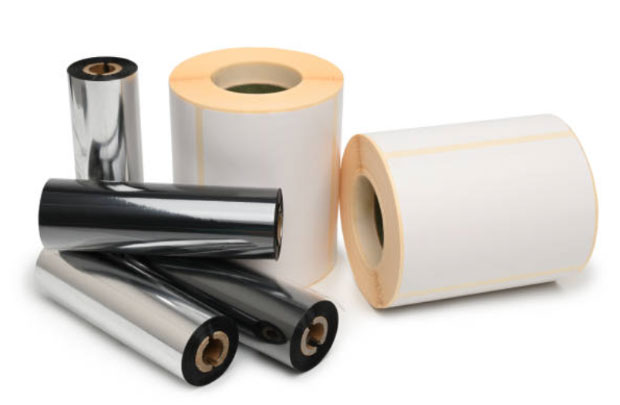
A thermal printer is a kind of printer that uses a heated printhead to produce black text or images by pressing against a medium. It's commonly used for printing labels, receipts, barcodes, ID badges, and more across many industries. The printhead either activates chemically treated thermal paper or transfers solid ink from a ribbon onto the medium, depending on the printer type.
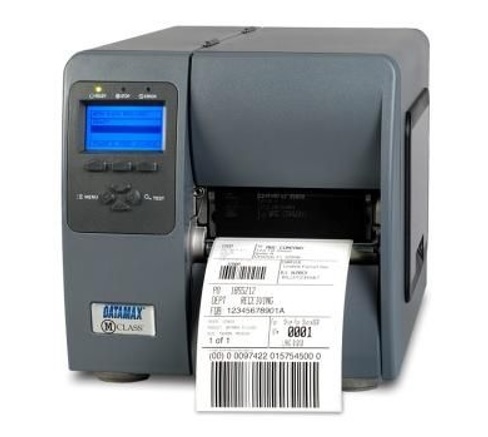
There are two main types of thermal printers: direct thermal printers and thermal transfer printers. Direct thermal printers use heat-sensitive paper that darkens when exposed to the heated printhead, making them ideal for short-term printing needs like receipts or shipping labels. However, these prints tend to fade over time, especially when exposed to light or heat. Conversely, thermal transfer printers use a ribbon that melts ink onto the material, creating highly durable prints that resist fading and wear. These printers can handle a wider variety of materials such as plastic, polyester, and synthetic labels. The thermal transfer ribbon plays a key role in this process, with options like wax, resin, or hybrid ribbons depending on the durability needed. Thermal label printers can use either of these printing technologies and are commonly used for barcoding, inventory labels, and industrial applications, offering flexibility in media type and longevity. Understanding these distinctions helps in selecting the right thermal printing solution for specific business needs. Scroll down to learn more, or browse thermal printers here.
Direct Thermal vs. Thermal Transfer Printing
Thermal transfer printing is often considered the best option for high-quality and durable results. Unlike inkjet printers, which spray ink onto paper, thermal printers use heat to transfer images onto various materials. It works by melting the ink from a ribbon and bonding it to the media, which provides superior resistance to environmental factors such as sunlight, heat, and abrasion. Selecting the right ribbon—whether wax, resin, or a wax-resin hybrid—is crucial for achieving optimal print quality and durability. Wax ribbons are ideal for printing on paper, while resin ribbons are better suited for tougher materials like plastic or polyester, offering excellent smudge and scratch resistance. By choosing the correct ribbon for the media and application, businesses can ensure that their labels, tags, or other printed materials withstand various conditions over time.
The two main types of thermal printers are direct thermal printers and thermal transfer printers:
Direct Thermal Printing
Direct thermal printers create images directly on heat-sensitive media, such as thermal paper, without the need for ribbon, toner, or ink. When the material passes under the heated printhead, it reacts by darkening to form the image. However, this method makes the media more susceptible to fading, especially when exposed to light, heat, or friction, reducing its longevity. This printing type is often used for applications like cash register receipts or tickets, where durability is not a major concern.
Thermal Transfer Printing
Thermal transfer printing offers a more durable and higher-quality alternative. It uses a ribbon containing ink, which melts under heat and transfers onto the media, embedding the ink into the surface. This process creates sharp, long-lasting prints that resist fading and wear, making it ideal for printing on various materials such as paper, polyester, and plastic. Unlike direct thermal printing, thermal transfer does not rely on heat-sensitive media, allowing for greater flexibility in material choice.
Different Types of Thermal Transfer Ribbons
- Wax Thermal Transfer Ribbon: The budget-friendly wax ribbon is an excellent alternative to direct thermal printing, providing a cost-effective solution for printing on matte paper labels. Due to its high wax content, printers can operate at lower heat settings, enabling faster print speeds. It offers several advantages over direct thermal printing, such as improved print quality, greater durability, and better resistance to wear. This type of ribbon is ideal for short-term, multi-purpose labelling needs, such as retail, packaging, and shipping labels.
- Wax-Resin Thermal Transfer Ribbon: The popular wax-resin thermal transfer ribbon, delivers exceptional durability, print quality, and resistance to abrasion and smudging. It is an ideal choice for applications exposed to harsh conditions, such as freezer environments or frequent handling. This ribbon works well for medium-term, general-purpose printing on both paper and some synthetic materials. It is also suitable for high-volume printing, high-gloss labelling, freight, and industrial applications.
- Full Resin Thermal Transfer Ribbon: Offering maximum durability and outstanding print quality on synthetic materials, this ribbon is composed entirely of resin. It prints at higher temperatures, ensuring the resin bonds effectively to the labels. The result is highly durable, long-lasting prints that withstand extreme conditions such as exposure to chemicals, high-temperature water, moisture, and heavy handling. Full resin ribbons are perfect for long-term labelling in challenging environments.
Comparing the 3 Types of Ribbons
| Feature | Wax Ribbons | Wax/Resin Ribbons | Resin Ribbons |
| Composition | Wax ribbons are made from 100% wax. | Wax-resin ribbons typically consist of around 60-80% wax and 20-40% resin. The exact ratio can vary as per manufacturer. | Resin Ribbons are made from 100% resin. |
| Price | Lower priced. | Moderately priced. | Higher priced. |
| Quality of Print | Dark but crisp printing. | Fine image quality. | Superb image quality. |
| Durability | Wax ribbons are less durable than others, and are prone to smudging. | Wax/resin hybrids are more durable and more resistant to scratches than wax. | Resin ribbons are extremely durable, resistant to scratches, chemicals, heat, and fading. |
| Printing Temperature Range | Prints at a wider range of temperatures | Wax/resin ribbons can necessitate slightly higher temperatures than full wax ribbons. | Resin ribbons often require higher printing temperatures. |
| Label Materials | Better for paper and certain coated paper labels. | Better for paper and synthetic materials. | Better for synthetic materials such as vinyl, polyester, and polypropylene. |
| Purposes | Good for all-round printing, such as retail labels, warehouse labels, and shipping labels. | Perfect for shelf labelling, asset tracking, and anything that needs a more durable print. | Ideal for chemical drum labelling, outdoor applications, and any other high-durability requirements. |
| Pros | Budget friendly. | Moderately inexpensive and fairly durable. | Excellent durability and highly resistant to harsh conditions. |
| Cons | Less resistant to chemicals, high temperatures and abrasion. | Less durable than pure resin ribbons. | More expensive compared to the others. |
The Difference Between CSO & CSI
Carbon-Side In (CSI) and Carbon-Side Out (CSO) refer to two different orientations for loading thermal transfer ribbons into printers. In a nutshell, Carbon-Side In prints on the underside of labels for protection from external factors, while Carbon-Side Out prints on the top side for visibility and accessibility of the printed information.
Carbon-Side Out (CSO): In this orientation, the carbon or inked side of the thermal transfer ribbon faces outward, away from the core of the roll or spindle. This arrangement is used for printing on the top side of the label or material, with the ink applied to the side of the ribbon that is facing away from the label or tag. CSO is ideal for applications where the printed image or text needs to be clearly visible on the top surface of the label, such as product labels, barcodes, or packaging.
Carbon-Side In (CSI): In this orientation, the carbon or inked side of the thermal transfer ribbon faces the core or spindle of the roll when loaded into the printer. This setup is typically used for printing on the underside of labels or materials, meaning the ink is applied to the side of the ribbon that is positioned inside the label or tag. CSI is often preferred for applications that require protection of the printed image or text from abrasion, moisture, or other external elements. By positioning the ink on the underside, it is shielded by the label material.
The choice between CSI and CSO orientation depends on the specific requirements of the printing task and the design of the thermal transfer printer. Some printers can accommodate both orientations, while others may have a fixed setup. Selecting the correct orientation is essential to ensure that the ink is applied to the intended side of the label or tag, significantly impacting the quality of print results in thermal transfer printing applications.
Tips On Choosing The Best Quality Thermal Transfer Ribbons
- Understand Your Printing Needs: Assess the specific requirements of your printing tasks, including volume, durability, and intended use, to select the most suitable ribbon.
- Match the Ribbon to Your Material: Ensure that the ribbon type you choose is compatible with the media you will be printing on, whether it's paper, synthetic materials, or special coatings.
- Printer Compatibility: Verify that the ribbon is compatible with your thermal transfer printer model to ensure optimal performance and avoid printing issues.
- Choose the Right Ribbon Type: Select from wax, wax-resin, or resin ribbons based on factors such as print quality, durability, and environmental conditions.
- Quality of Print: Select high-quality ribbons that deliver crisp, clear images and text, ensuring professional and legible outputs for your applications.
- Supplier Reputation: Purchase from reputable suppliers known for their quality products and reliable customer service to ensure a positive purchasing experience.
Conclusion
Choosing the right ribbon is an integral step in ensuring optimal print performance for your business. You can browse Able Scale thermal printers here, or head over to the Able Scale website to browse our wide range of products & services. If you need assistance with anything, don’t hesitate to get in touch with us directly via the Able Scale contact page.
Have questions about our products and services?
We are here to help. Please fill in our online enquiry form below, and we will respond to you within the next business day.