

 Call us Today


Introduction
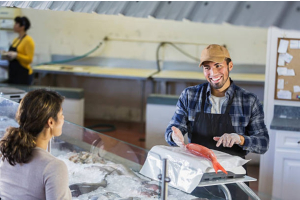
The crayfish weighing system from Able Scale is a specialised device that’s been designed to accurately measure the weight of individual crayfish. Commonly used in commercial aquaculture, these scales help sort and grade crayfish based on size, weight, and when needed, other specific grading requirements. A vital tool in the maritime and culinary industries, they ensure precise weight measurements, whether used in commercial fishing, seafood restaurants, or distribution.
The Background Issue
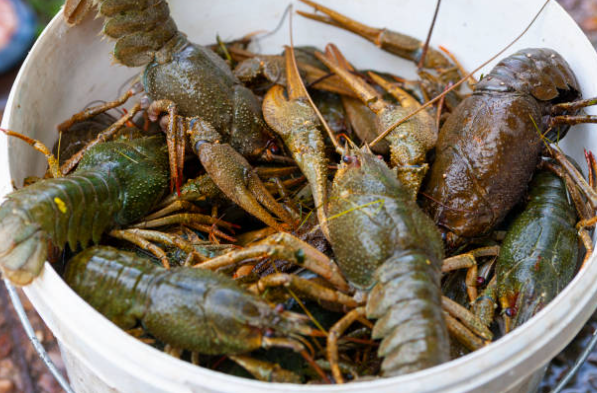
A crayfish wholesaler and processor recently approached Able Scale, seeking a solution to improve the efficiency and accuracy of recording and tracing crayfish for production reporting of each fisherman’s catch. Their existing process involved manually weighing each crayfish individually and recording details such as grade, weight, and customer or fisherman’s name by hand. This method was time-consuming, prone to errors, and required extensive double handling. Notes were often misplaced or damaged, leading to repeated tasks and increased mistakes. The only other option was an expensive automatic grading machine built for large-scale operations, making it unsuitable for smaller producers.
The Aim
Tasked with coming up with cost-effective solution that mitigates double handling and improves the accuracy of crayfish reporting, a two-pronged aim manifested;
- We needed to develop a negative grading weighing system for precise production reporting for fishermen.
- We needed to use an elegantly simple grading system to create a streamlined crayfish packing process.
The Solution Provided by Able Scale
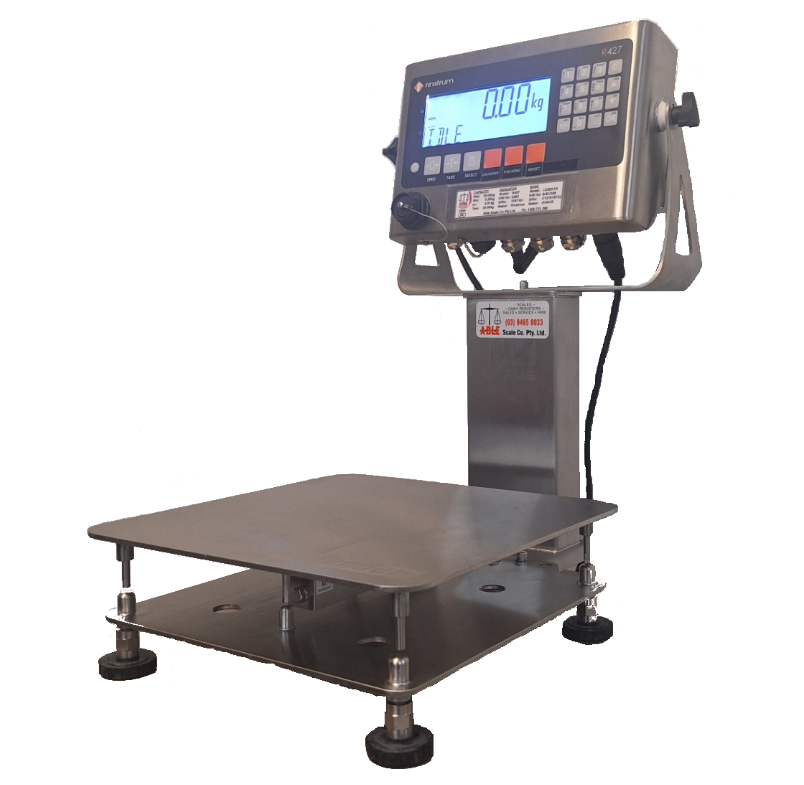
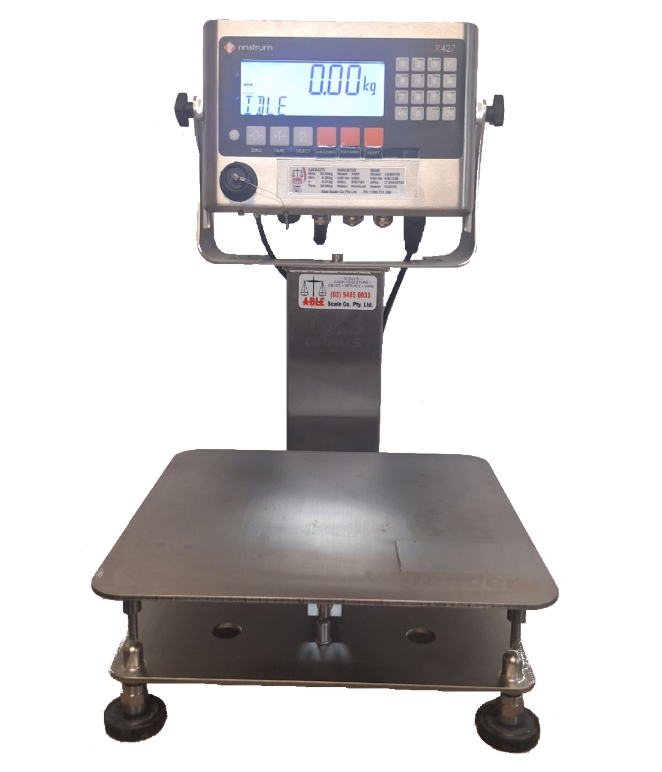
The solution included a fully stainless steel scale paired with a smart, programmable weighing indicator, designed to withstand the harsh conditions of a wet, salty environment. This resulted in the Stainless Steel Basework -Ohaus Defender 6000, and the Rinstrum Batching Indicator (R42x-K411).
With its stainless steel weight scale and hermetically sealed load cell, the Ohaus Defender 6000 IP69 was chosen to ensure durability and reliability in marine settings. Designed to facilitate precise data processing, the Rinstrum R457 IP67 stainless steel smart weighing indicator was also integrated, offering advanced functionality and resistance to moisture and corrosion. Key additional features included battery operation, the ability to provide portable use at the wharf, and an outdoor-rated Wi-Fi module for real-time remote reporting.
Customizable software was developed using the Rinstrum programmable LUA module, implementing a two-step process: first, a grading process to classify crayfish by type, followed by a packing process to sort them into weight-based grades.
The Grading Process
The grading process is the initial step in sorting crayfish based on their weight and type before they are packed. By integrating stainless steel weighing equipment with customized smart software, this system eliminates the need for manual calculations and handwritten records, which are prone to errors. This method streamlines the classification process, improving accuracy and efficiency while reducing manual handling.
The steps involved are:
- Select the Fisherman or Customer – The operator selects the grading function on the smart weighing indicator, then chooses the corresponding fisherman or customer from the system menu. This ensures that each catch is correctly attributed for production tracking and reporting.
- Weigh the Full Bucket – A bucket of crayfish is placed on the scale, which determines its total weight before individual sorting begins.
- Automatic Weight Tracking – As crayfish are removed from the bucket, the scale continuously records the weight difference. This negative grading process allows the system to automatically determine the weight category for each crayfish based on a predefined grading table.
- Identify the Crayfish Type – Once removed, the scale prompts the operator to classify the crayfish into one of three categories:
- Red (Standard) – A typical, market-ready crayfish.
- Brindle (Premium) – A high-quality crayfish with distinct coloration or markings.
- Damaged – Crayfish with cracked shells, broken legs, or other defects, which may be sold at a lower grade.
- Sort into New Containers – Once graded, the crayfish is placed into the appropriate container based on its weight classification. These containers are then prepared for the next step: packing.
This automated tracking system streamlines the sorting process, thereby ensuring accuracy and efficiency while enhancing traceability, minimizing double handling, and optimizing workflow for seafood wholesalers and processors.
The Packing Process
Once the crayfish have been sorted into their respective weight and type categories during grading, the packing process ensures that they are accurately weighed, recorded, and prepared for distribution. This step helps streamline inventory management and enhances traceability for compliance and quality control.
The process includes the following steps:
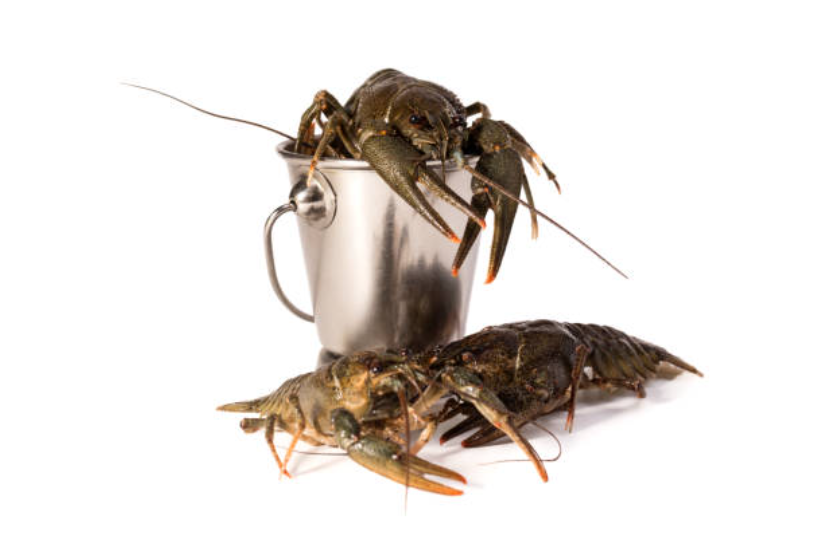
- Place the Bucket on the Scale – The operator places a bucket containing sorted crayfish onto the stainless steel scale, thereby ensuring precise weight measurement in a wet and salty environment.
- Select Packing Operation and Operator ID – The operator logs into the system via the smart weighing indicator, selecting the appropriate packing function and entering their unique operator ID to maintain accountability and tracking.
- Apply the Preset Tare Value – The system allows the operator to select the correct preset tare weight for the bucket, ensuring that only the net weight of the crayfish is recorded. This eliminates errors from container weight variations.
- Input the Grade Type – The operator enters the appropriate grade classification for the batch of crayfish, aligning with the sorting done in the grading process.
- Enter the Quantity of Crayfish – The operator manually inputs the total number of crayfish in the bucket, ensuring detailed tracking for reporting and inventory purposes.
- Log and Report the Total Weight – The system records the total weight of the crayfish batch, storing the data for production reporting, invoicing, and regulatory compliance.
- Repeat the Process – The process is repeated for each batch of crayfish until the entire consignment is packed.
Additionally, a key feature of the R457 weighing indicator is its onboard web server, which enables the scale to connect to a Wi-Fi access point. This allows real-time reporting of both grading and packing operations, providing instant access to weight data, operator logs, and batch details.
Result & Benefits
The implemented system significantly enhances productivity, allowing for the accurate processing of up to 500 kg of crayfish per hour. By eliminating the need for handwritten notes, re-weighing, and double handling, it streamlines operations while ensuring traceability and precise production reporting for fishermen. Additionally, historical data on grading and packing is securely recorded through production logs, providing valuable insights for quality control and compliance. Offered at a fraction of the cost of high-end automated solutions, this system delivers efficiency without the heavy financial burden. If you require a customized weighing solution, contact Able Scale to discuss your specific needs.
Conclusion
By addressing the limitations of traditional manual inspection techniques, this approach offers a more reliable solution with greater application potential.
Ultimately, the Crayfish Weighing System streamlines sorting and packing by automating weight-based grading, reducing errors, improving traceability, and enhancing efficiency for seafood processors. To find out more, get in touch with Able Scale today.
Have questions about our products and services?
We are here to help. Please fill in our online enquiry form below, and we will respond to you within the next business day.