

 Call us Today


Hazardous environments, such as those found in chemical plants, oil refineries, and pharmaceutical manufacturing, require specialized weighing and printing equipment to ensure safety and compliance. Standard printing solutions are generally unsuitable and even dangerous for these conditions because they can generate heat, sparks, or static electricity, posing a serious risk of ignition in explosive atmospheres. Additionally, conventional printers are typically unable to withstand the harsh environmental factors such as extreme temperatures, dust, moisture, or corrosive substances, which can lead to equipment failure and operational disruptions.
That’s exactly why hazardous-area-approved systems are designed to be intrinsically safe and even explosion-proof, thus reducing the risk of workplace accidents while maintaining reliable performance in challenging conditions. Besides safety, their compliance and traceability play a vital role within industrial operations, particularly in regulated industries. Properly certified printing solutions support traceability by enabling accurate labeling, documentation, and data logging, which are essential for quality control, regulatory audits, and supply chain transparency. Investing in the right hazardous-area-approved weighing and printing equipment not only protects workers and assets but also ensures uninterrupted operations and adherence to industry standards, reducing the risk of fines, legal consequences, or costly downtime. Scroll down to learn more.
The Challenge
Able Scale was approached by industrial adhesive manufacturers who often rely on a manual process for picking, weighing, and labeling materials based on a run sheet. This method presents several challenges, including inefficiencies and risks that impact both productivity and compliance. Without an automated system to verify accuracy, there is no guarantee that the correct quantities are used, increasing the likelihood of errors that can lead to product inconsistencies or rework. Additionally, label printing in hazardous environments poses safety concerns, as standard printing solutions may introduce ignition risks. The lack of an integrated compliance check further complicates traceability, making it difficult to meet regulatory requirements and maintain quality control.
The Objective
Our objective was to establish a certified and secure solution for printing product labels directly within hazardous areas, ensuring both safety and compliance with industry regulations. This solution had to be designed to function safely in environments where standard printing equipment would pose risks, eliminating the need for off-site printing or manual label handling. These labels had to include critical information such as time, date, product descriptions, and precise weights to support traceability and quality control. By integrating a compliant printing system, manufacturers would be able to improve operational efficiency, reduce handling errors, enhance workplace safety, and maintain full regulatory adherence without interrupting production workflows.
The Solution
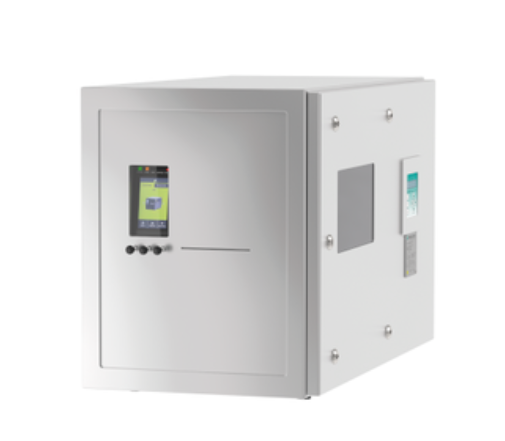
In order to enable safe and compliant label printing within hazardous environments, a certified system is required. This solution integrates a hazardous area weighing scale with a stainless steel printer enclosure, designed to operate safely in explosive atmospheres. The system includes a purge and pressurization mechanism, ensuring that no hazardous gases are present before printing begins. This approach enhances safety, improves efficiency, and ensures compliance with industry regulations.
- Hazardous Area Weighing Scale: A specialized weighing scale designed for hazardous environments ensures accurate and reliable weight measurements. Built to withstand challenging industrial conditions, these scales provide precision while meeting strict safety standards for explosive atmospheres.
- Stainless Steel Printer Enclosure with a Purge System: The enclosure protects the label printer from hazardous elements while allowing safe operation within a classified area. Constructed from durable stainless steel, it offers resistance to corrosion and industrial wear. The integrated purge system continuously monitors and regulates internal conditions, preventing the accumulation of explosive gases
- ATEX/IECEx Certified for Gas and Dust Applications: This system is fully certified for ATEX/IECEx Zone 1/21 and 2/22, ensuring safe operation in environments where flammable gases or dust may be present. Compliance with these international safety standards guarantees that the equipment meets stringent regulatory requirements for hazardous areas.
- Automatic Pre-Purge Phase to Remove Explosive Gases: Before the system begins operation, an automatic pre-purge phase ensures that any potentially hazardous gases within the enclosure are safely removed. The enclosure is flushed with clean air or inert gas, reducing the risk of ignition and ensuring a safe printing environment. This automated safety feature eliminates the need for manual intervention, enhancing reliability.
- External Controls and Viewing Window for Ease of Use: Designed for user convenience, the enclosure features external controls that allow operators to manage printing without opening the unit, maintaining safety at all times. A built-in viewing window provides clear visibility of the printer’s operation, allowing for easy monitoring and quick adjustments when necessary.
Benefits
This solution proves to offer a slew of advantages across the board, including the following:
- Direct Printing in Hazardous Areas Without Needing to Open the Enclosure Door/Flap: This feature allows for safe label printing without exposing internal components to hazardous environments, minimizing ignition risks and maintaining compliance with safety regulations. By keeping the enclosure sealed during operation, it reduces potential contamination and enhances overall workplace safety. This design also contributes to operational efficiency by eliminating the need for frequent interruptions to access the printer.
- A Design That Can Be used in Both Zone 1 & Zone 2 Environments: The system is certified for use in areas where explosive gases, vapors, or dust may be present, adhering to ATEX and IECEx standards. This makes it suitable for industries such as chemicals, pharmaceuticals, and petrochemicals, where stringent safety measures are essential. Its robust design ensures continuous operation in demanding environments without compromising safety.
- Stainless Steel Enclosure: Constructed from stainless steel, the enclosure offers superior protection against corrosion, heat damage, and chemical exposure, ensuring long-term durability in harsh industrial conditions. Its polished surface not only provides an aesthetically pleasing appearance but also facilitates easy cleaning and maintenance, which is crucial in environments requiring high hygiene standards.
- Flexibility With a Wide Selection of Printer Models: The enclosure's design accommodates multiple printer brands and models, allowing businesses to select the option that best fits their specific labeling requirements. This adaptability ensures seamless integration into existing workflows without necessitating extensive modifications. It also provides scalability for future upgrades or changes in labeling needs.
- The Ability to Operate the Printer Through Externally Mounted Controls: With controls mounted externally, users can operate the printer safely without opening the enclosure, preventing exposure to hazardous substances. This design enhances ease of use by providing quick access to printing functions, reducing production delays. It also ensures that operators can maintain compliance without requiring additional protective measures.
- A Window For Easy Viewing of Roll Level: A built-in viewing window allows operators to monitor label stock levels without disrupting the enclosure's protective environment, reducing unnecessary interruptions. This feature prevents unexpected downtime by enabling timely roll replacements before supplies are depleted. Clear visibility into the enclosure also improves operational efficiency by reducing the risk of printing disruptions due to depleted labels.
Conclusion
Ultimately, the initiative proved to be a huge win, with the successful implementation of the new weighing and labeling process delivered key outcomes in both traceability and quality assurance. By configuring the weighing scale with the required parameters, operators could accurately record each product at every stage of production. Labels printed with essential details ensured full traceability on the manufacturing floor, allowing for precise tracking and verification of each batch. This enhanced process enabled the client to meet QA compliance standards, guaranteeing that procedures were consistently followed and products were manufactured to specification.
When standard solutions do not meet specific operational needs, Able Scale always provides tailored weighing solutions to ensure accuracy, compliance, and efficiency. Contact us today to discuss your unique requirements, and we’ll get started at your earliest convenience!
Have questions about our products and services?
We are here to help. Please fill in our online enquiry form below, and we will respond to you within the next business day.