

 Call us Today


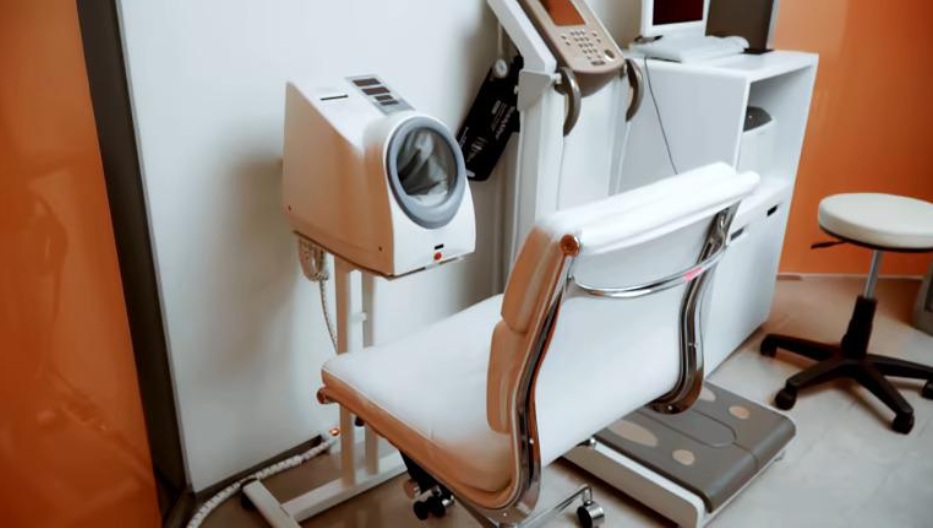
Bariatric scales are mobility health scales that are designed to accurately measure the weight of patients with limited mobility, thereby providing safe and reliable readings in various care settings. These scales are essential for ensuring accurate weight assessments, which are crucial for managing the health and treatment of individuals with mobility impairments.
The Challenges of Bariatric Patient Handling
Caring for bariatric patients can pose several challenges for medical staff, including:
- Physical Challenges: Handling bariatric patients presents considerable physical challenges due to weight distribution and limited mobility. These factors can strain caregivers during tasks such as transfers, repositioning, and routine care. Improper handling can result in injuries to caregivers and cause discomfort or harm to patients. Recognizing these challenges is essential for implementing safer and more effective care practices.
- Patient Comfort and Dignity: Bariatric patients often experience emotional vulnerabilities related to their care, and improper handling or inadequate equipment can heighten feelings of discomfort or embarrassment. Protecting patient dignity is a vital aspect of care, achieved through the use of appropriate equipment, ensuring privacy, and fostering respectful communication to provide a supportive environment
- Caregiver Safety: The physical demands of handling bariatric patients elevate the risk of caregiver injuries, such as strains and sprains. Without the proper tools, caregivers are at a significantly higher risk of injury. Implementing ergonomic practices and utilising the right equipment — such as bariatric weighing scales — can help safeguard caregivers while creating a sustainable care environment for the patients.
Why Do We Need Bariatric Scales in Aged Care?
Bariatric scales are crucial for the accurate and safe monitoring of individuals with higher body weights for several key reasons, including:
- Accurate Weight Measurement: Standard scales often cannot accommodate heavier individuals, leading to inaccurate readings or the inability to measure at all. To counter this, bariatric scales are built to support higher weight capacities, ensuring precise measurements.
- Medical Necessitation: Accurate weight data is essential for diagnosing and managing health conditions like obesity, cardiovascular diseases, and diabetes. Bariatric scales provide reliable data that supports effective medical interventions.
- Enhanced Safety: Attempting to use a standard scale beyond its weight limit can result in damage to the scale and potential injury to the individual. Bariatric scales are designed to safely handle higher weights, reducing these risks.
- Patient Comfort & Dignity: Bariatric scales are tailored for larger individuals, providing a more comfortable and respectful weighing experience. This helps maintain dignity and encourages consistent health monitoring.
- Ease of Use: Bariatric scales are designed with user-friendly features to simplify the weighing process for both patients and healthcare providers. They often include intuitive interfaces, clear digital displays, and easy-to-adjust settings, ensuring quick and accurate measurements without added complexity. These scales are built for efficiency, reducing the effort required to weigh individuals with mobility challenges or those needing assistance.
The Types of Bariatric Scales Found in Aged Care
- Wheelchair Scales: Wheelchair scales are designed for patients who cannot transfer out of their wheelchair, allowing them to be weighed while seated. These scales typically feature ramps and spacious platforms to accommodate both the patient and their wheelchair comfortably.
- Chair Scales: Chair scales provide a seated weighing option for patients with limited mobility who cannot stand. These scales are equipped with a built-in seat, offering a stable and secure method for weighing without requiring the patient to stand.
- Platform Scales (Stand-On): Platform scales are designed for patients who are able to stand, offering a large, low-profile platform for stable weighing. These scales are ideal for individuals who can bear weight independently or with minimal assistance.
- Handrail Scales: Handrail scales provide added support with sturdy handrails for patients who need help with balance or stability during weighing. The handrails ensure safety and prevent falls, making them ideal for frail or unsteady individuals.
- Bed Scale: Bed scales are designed to weigh patients who are unable to get out of bed, allowing them to be weighed while lying down. These scales are essential for patients with high dependency needs or those who are immobile due to illness or injury.
- Portable Bariatric Scales: Portable bariatric scales are designed for easy transport and use in various settings, such as home care or mobile clinics. These scales offer high weight capacities and stability while allowing caregivers to weigh patients without requiring them to move to a stationary scale.
The Common Key Features of Bariatric Chair Scales
- Wider Platforms & Higher Weight Capacities: Bariatric chair scales are equipped with extra-wide platforms to comfortably accommodate larger patients and various mobility aids. These scales typically support higher weight capacities — often ranging from 300 kg to 500 kg or more — ensuring accurate and safe measurement for individuals with obesity or those classified under bariatric care. The reinforced design enhances stability and durability, making them suitable for long-term use in clinical settings.
- Built-in Ramps or Wheelchair Compatibility: Many bariatric scales feature integrated ramps or are designed for seamless use with standard and bariatric wheelchairs. This allows patients to be weighed while seated, eliminating the need for difficult transfers. Some models also include low-profile platforms for easier access, reducing strain on both patients and caregivers while improving safety and workflow efficiency.
- Handrails, Non-Slip Surfaces & Digital Displays: To support patients with limited mobility or balance, bariatric chair scales often include sturdy handrails and non-slip surfaces, providing added stability and confidence during use. Clear digital displays — often positioned for easy viewing — simplify the weighing process for both patients and healthcare professionals. These user-friendly features contribute to greater accuracy and comfort in busy clinical environments.
The Top Bariatric Scales Options From Able Scale
A&D AMW300 Wheel Chair Scale
The A&D AMW300 wheelchair scale is ideal for use in healthcare, medical, and aged care settings, offering a practical solution for weighing patients in wheelchairs or those with limited mobility. Its large platform (880mm x 840mm) comfortably accommodates both manual and motorised wheelchairs, while the removable handrails provide additional support for clients with mobility challenges or bariatric patients. With a capacity of 300kg and readability of 100g, the AMW300 features a low-profile design with ramps on both sides, a clear LCD display with white backlight, and standard lock and hold functions. It operates via an AC adaptor and includes a rechargeable battery offering up to 40 hours of use without backlight. The scale requires approximately 12 hours to fully recharge and comes with a 12-month manufacturer's warranty.

A&D AMH400 Stand on Scale
The A&D AMH-400 stand-on scale is designed to make weighing easier for patients with stability or mobility issues. Its low-profile platform and supportive handrails provide added safety and comfort, making it particularly suitable for bariatric patients. With a high weight capacity of up to 400kg and a spacious 600mm x 600mm platform, the scale offers reliable performance in various clinical settings. It features an easy-to-read LCD display with backlight, selectable capacities of 250kg x 100g or 400kg x 200g, and includes useful functions such as BMI calculation and lock-and-hold. Powered by an AC adaptor with a rechargeable battery, it offers up to 40 hours of operation without backlight and comes with a 12-month manufacturer's warranty.

A&D BCS Chair Scale
The A&D BCS chair scale is specifically designed for bariatric patients and individuals who have difficulty standing, offering a high weight capacity of 500kg with 100g increments. It features a spacious 700mm wide by 450mm deep seating area with a comfortable, easy-to-clean vinyl seat. Built from high-strength steel for durability, the scale includes lockable castors for stability and a spring-loaded footplate for easy access. The clear LCD display and simple two-button operation ensure ease of use, while power is provided by six D-size batteries or an optional AC adaptor. The BCS chair scale is backed by a 12-month manufacturer’s warranty.

Nuweigh CHR691 Chair Scale
The Nuweigh CHR691 chair scale is thoughtfully designed with ergonomics and user comfort in mind. It features a durable tubular frame and an easy-to-clean fibreglass chair, along with lift-up armrests and footrests to simplify patient transfers. With a seat height of 520mm and handle height of 930mm, it supports ease of use for both patients and caregivers. The scale is equipped with four swivel castor wheels for smooth mobility, a large 26mm LCD display for clear readings, and includes a BMI function. With a weighing capacity of 300kg in 100g increments, the CHR691 offers both functionality and convenience in clinical environments.

Choosing the Right Bariatric Scale for Aged Care Facilities
Body weight plays a crucial role in medical assessment and treatment. Whether it's used directly—for calculating medication dosages—or indirectly as an indicator of general health, precise weight measurement is essential in clinical care. Bariatric medical equipment is specifically designed to meet the needs of individuals with obesity, generally defined as those with a body weight exceeding 159 kg (approximately 350 pounds) or a Body Mass Index (BMI) of 40 or higher. That said, when choosing the right scale, it's important to consider the patient's mobility and medical condition. Specialised weighing solutions such as bed scales, chair scales, wheelchair scales, or hoist/lifter scales can help reduce physical strain on staff while improving safety and comfort for patients.
Conclusion
Understanding bariatric weighing scales is essential in aged care and mobility health, as they are specifically designed to accommodate individuals with higher body weights or limited mobility. Bariatric scales for aged care can ensure accurate, safe, and dignified weight monitoring, which is critical for medication dosing, health assessments, and care planning. By reducing manual handling risks and improving overall care quality, they can help support both patient well-being and staff safety. You can browse medical scales here, or head to the Able Scale homepage to explore our many other quality products and services. For all inquiries, don’t hesitate to hit us up directly via our contact page.
Have questions about our products and services?
We are here to help. Please fill in our online enquiry form below, and we will respond to you within the next business day.