

 Call us Today


Understanding Load Cells
Load cells — also known colloquially as weigh cells — are electromechanical sensors that are used to measure force or weight by converting mechanical force into an electrical signal. These electromechanical sensors accurately convert mechanical force into electrical signals, enabling precise weight and force measurements across a variety of applications. In industries that demand high precision and reliability, load cells are essential.
A load cell operates on the principle of deformation: when a load is applied, the cell experiences a slight deflection. Strain gauges attached to its surface detect this deformation by registering changes in electrical resistance, which are directly proportional to the applied force. When selecting a load cell, accuracy is extremely important; especially in environments where small deviations can affect safety or quality. Environmental factors such as temperature, humidity, vibration, and exposure to chemicals can impact performance, so the load cell must be suitable for the specific conditions. Additionally, the mounting configuration plays a critical role in ensuring accurate and repeatable readings; improper installation can lead to errors or premature failure. Choosing the right load cell involves matching the sensor’s capabilities to the demands of the application, ensuring long-term performance and measurement integrity. You can scroll down to learn more, or browse load cells here.
How Do Load Cells Work?
Load cells use spring elements (typically made from steel or aluminium) that have been bonded to strain gauge materials such as foil meshes or semiconductors. These metals are both strong and slightly elastic, allowing them to deform under applied force — such as that caused from compression (downward) or tension (pulling) — and then return to their original shape. The strain gauges precisely measure this minute deformation. In a typical load cell, this micro-level movement is electronically converted into a highly accurate weight reading. The load cell’s transducer generates an electrical signal directly proportional to the force applied.
During operation, load cells are exposed to various external influences that must be managed to maintain accuracy. These include temperature changes, which can alter the material’s resistance, as well as environmental conditions such as moisture, dust, and varying ambient climates. Another important consideration is the material of the load cell housing, which should be selected based on the application environment. Common load cell variations include:
- Aluminium
- Nickel-plated steel
- Polyethylene-coated models
- Standard steel
- Stainless steel
Common Types of Load Cells & Their Applications
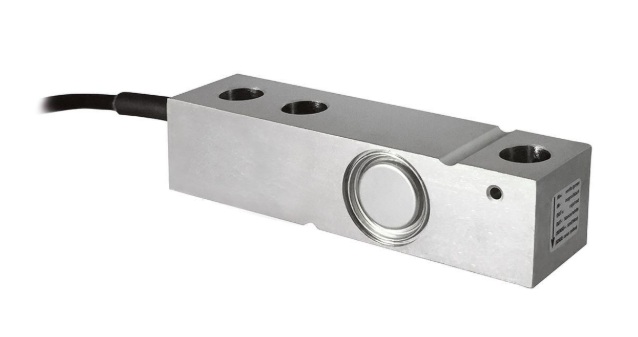
- Compression (Button) Load Cells: Standard compression load cells are the larger counterparts to miniature button load cells, and like their smaller versions, they are designed exclusively for compression measurement. When paired with weight module hardware, they are commonly used for weighing tanks and silos. This hardware ensures that the applied forces are properly aligned and helps maintain a secure connection, preventing separation. This is especially crucial for tall silos, where strong wind forces—particularly when the silo is empty—can pose a risk of tipping.
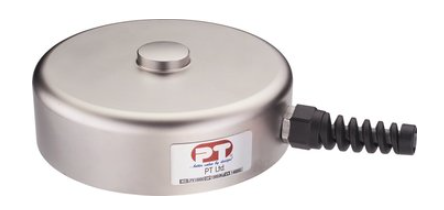
- Bending Beam Load Cells: Bending beam load cells are widely used due to their compact beam design, which allows for easy installation in various applications. They are equipped with stainless steel bellows, providing excellent protection against water ingress. However, for low-weight measurements, alternative load cell types may be more suitable, as bending beam models can exhibit slightly reduced accuracy at the lower end of their measurement range.
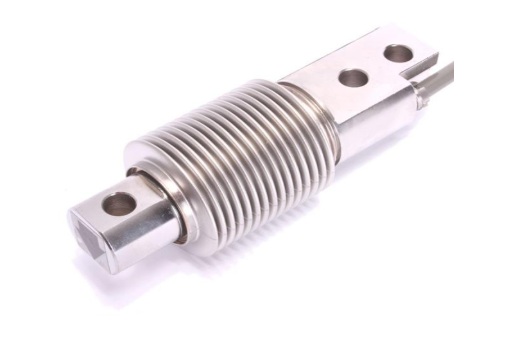
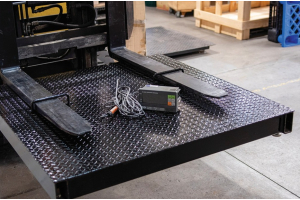
- Shear Beam Load Cells: Shear beam load cells are commonly used in bulk material handling due to their durability and accuracy under heavy loads. Typical applications include filling machinery, industrial floor scales, and tank and silo weighing systems. Their robust construction makes them well-suited for multi-cell configurations, especially in large floor scale setups where even weight distribution is essential. For harsh or corrosive conditions, load cells with corrosion-resistant materials, such as stainless steel, are recommended for both performance and longevity.
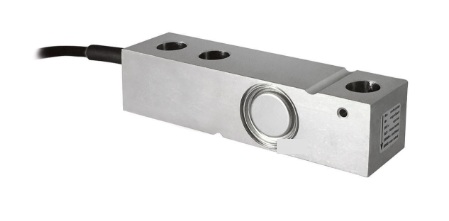
- Single Point Load Cells: Single point load cells feature an internal parallelogram design that ensures the strain gauges inside respond exclusively to force applied in one specific direction. When properly leveled, these load cells measure weight accurately by responding only to vertical loads, effectively ignoring any side or off-center forces. This characteristic makes them ideal for weighing applications where controlling side forces is challenging or impossible. Because of their precision and reliability, single point load cells are frequently paired with compact scale bases, making them especially suitable for measuring lower force levels in smaller-scale weighing systems such as retail scales, medical equipment, and laboratory balances.
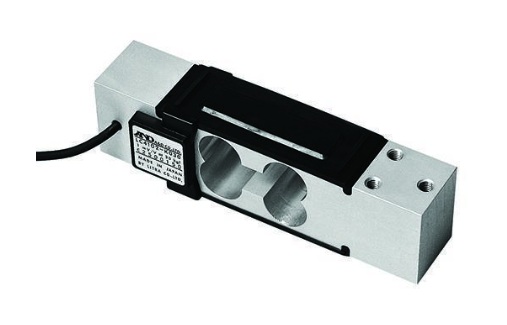
- S Type Load Cells: S-type load cells, also referred to as tension load cells, are specifically designed for applications that involve measuring tension forces. They are commonly used to convert suspended tanks, hoppers, or other hanging equipment into accurate weighing systems. Thanks to their robust strain gauge design, S-type load cells offer excellent measurement stability and reliability, even in demanding industrial environments. Their versatility and precision make them a popular choice for tension-based weighing tasks such as crane scales, material testing machines, and suspended load monitoring.
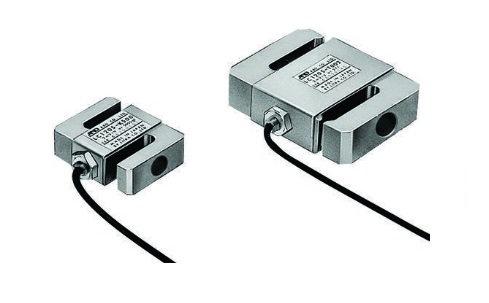
- Tank Module: Tank module load cells are specialized load cells designed to accurately measure the weight of large tanks, silos, or vessels. They are usually integrated with mounting hardware, called weight modules, that help distribute the load evenly and accommodate structural movements such as thermal expansion or wind forces. This mounting system also prevents misalignment or damage by allowing controlled movement while maintaining precise weight measurement. Tank modules are essential in industries like chemical processing, agriculture, and food production, where accurate monitoring of stored materials is critical for inventory control and process management.
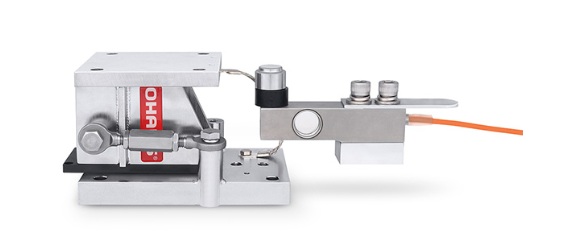
- Weighbridge Load Cells: Weighbridge load cells are heavy-duty sensors used in weighbridges (also called truck scales), which are large scales designed to weigh vehicles and their cargo. These load cells are built to withstand very high loads and harsh outdoor conditions. They provide accurate measurements despite heavy traffic, vibrations, and environmental exposure such as rain, dust, and temperature fluctuations. Weighbridge load cells are crucial for transportation, logistics, mining, and waste management sectors where precise vehicle weight data is needed for safety, billing, and regulatory compliance.
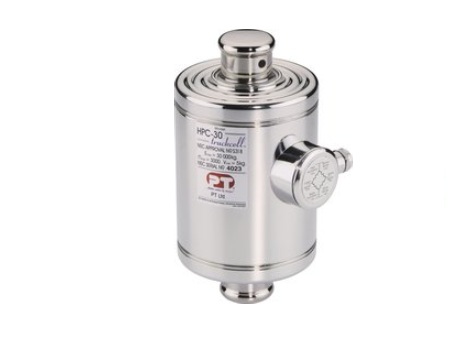
Load Cell Tightness
Load cell tightness boils down to two things; IP and hermetic sealing.
- Ingress Protection (IP): The IP rating relates to load cell tightness by indicating how well the load cell’s enclosure is sealed against dust, dirt, and moisture. A higher IP rating means the load cell is more tightly sealed, preventing contaminants from entering and potentially damaging the internal components. This tightness ensures reliable performance and longer lifespan, especially in harsh or wet environments where exposure to solids and liquids is common.
- Hermetic Sealing: Hermetic sealing creates an airtight barrier using materials like plastics, epoxy resins, glass, metals, and ceramics. The term traces back to the Seal of Hermes, an airtight glass tube named after the Greek messenger god. Load cells with hermetic sealing are exceptionally durable and reliable, providing strong protection that extends their lifespan and reduces the need for regular cleaning.
How to Choose the Right Load Cell
When choosing a load cell, we recommend factoring in the following considerations before you buy:
- Understand Your Application: To understand your load cell application, it is essential to determine both how the measurement will be conducted and how the load will be applied. Measurement can involve different types of forces, such as bending, compression, tension, or multi-axis loads. Load cell measurements serve a wide variety of purposes, from determining the weight of tanks and silos in agriculture and chemical processing to assessing durability and break points in materials testing. They are also crucial in manufacturing for quality control and in logistics for accurate weighing of goods. Additionally, environmental conditions like temperature, moisture, and vibration can influence load cell selection to ensure reliable performance in specific operational settings.
- Capacity Requirements: If you’re unsure about which scale capacity to choose, start by identifying the types of materials you need to weigh — these might include raw materials, inventory, chemicals, products, or livestock. Next, determine the minimum and maximum load capacities required for your specific applications. Once you have a clear understanding of the items to be weighed, you can then assess the level of measurement accuracy needed.
- Consider your Size & Specific Requirements: When choosing a load cell, it is important to consider size requirements based on your specific application. Key factors to evaluate include the load cell’s height, width, length, and weight. Additionally, you should take into account performance characteristics such as non-linearity, bridge resistance, and hysteresis to ensure the load cell meets the precision and durability needed for your use case.
- Environmental Conditions: When selecting a load cell, it’s crucial to consider the environmental conditions where it will be used. Factors such as temperature extremes, humidity, exposure to dust, moisture, chemicals, and vibrations can all impact the performance and lifespan of the load cell. Ensuring the load cell has an appropriate Ingress Protection (IP) rating and robust sealing — such as hermetic sealing — can help protect it from environmental damage. Additionally, selecting materials and coatings that resist corrosion or chemical exposure will improve reliability in harsh or demanding environments.
- Accuracy Needs: The level of accuracy required is a vital factor when choosing a load cell. Different applications demand varying degrees of precision, from high-accuracy laboratory measurements to more general industrial weighing. Consider the load cell’s resolution, repeatability, and linearity specifications to ensure it can deliver the necessary measurement performance. Over-specifying accuracy can lead to unnecessary costs, while under-specifying may result in unreliable data and operational issues. Matching the load cell’s accuracy to your application requirements helps optimize both cost and performance.
Conclusion
Load cells are essential components in weighing systems across industries, ensuring accurate and reliable measurements. Their importance lies in their ability to deliver consistent results in critical applications — from manufacturing and logistics, to research and safety — where precision is vital for quality control, efficiency, and compliance. You can browse Able Scale’s load cells here, or head over to the Able Scale homepage to check out our many other quality products and services. For all inquiries, don’t hesitate to get in touch with us directly via the Able Scale contact page.
Have questions about our products and services?
We are here to help. Please fill in our online enquiry form below, and we will respond to you within the next business day.