The humble warehouse is the beating heart of many an Australian business. From large-scale logistics corporations to small independent companies, warehouses across the country routinely manage a wide range of inbound and outbound boxes, pallets, and crates. While speed and efficiency are crucial, so too is accuracy, especially when it comes to weight-sensitive goods; which is exactly why the warehouse scales & logistics scales are the lifeblood that keep that warehouse heart pumping.
Whether you’re after portable warehouse scales or heavy duty logistic scales, you’ll be able to find it easily amidst our wide selection of high quality products. By incorporating Able Scale’s selection of scales for warehouse inventory systems, you can maintain smooth operations by accurately weighing, declaring, and recording goods. With our weighing systems for warehousing, you can confidently receive, store, and distribute your items with precision.
Our Warehousing & Logistics Services Include:
Counting Scales:
Perfect for inventory management, counting scales count items based on weight, helping maintain accurate stock levels and support order fulfillment.
Crane Scales:
Crane scales are used to measure the weight of heavy loads suspended from a crane, providing accurate weight data for lifting tasks in industries such as construction and manufacturing.
Platform Scales:
With a large, flat surface, platform scales are ideal for weighing bulk items, pallets, and containers, commonly used in warehouses and industrial environments to streamline inventory management.
Pallet Scales:
Crucial in warehouses, pallet scales allow for the weighing of goods on pallets, improving inventory management and ensuring shipping accuracy.
Bench Scales:
Compact and versatile, bench scales are designed for weighing smaller items on tables or counters, commonly used in retail, laboratory, and food service applications.
Shipping Scales:
Designed for weighing packages and goods, shipping scales help determine accurate shipping costs and ensure compliance with carrier weight limits.
Indicators:
Indicators are devices that display the weight readings from connected scales, offering real-time data for applications like inventory management and quality control.
Load Cells:
Load cells are sensors that convert force into an electrical signal, providing precise weight measurements for scales and other weighing equipment.
Industrial Printers:
Paired with scales, industrial printers produce labels or reports that include weight measurements, ensuring compliance with shipping, inventory, and regulatory standards.
Labelling Software:
Labelling software integrates with scales and printers to design, generate, and print accurate labels, aiding in product identification and ensuring compliance with inventory and shipping requirements.
The Role of Weighing in Logistics & Warehousing
Accurate Inventory Management:
Weighing systems help track and manage stock levels with precision, reducing discrepancies and minimizing the risk of stockouts or overstocking, leading to more efficient inventory control.
Cost Management & Billing:
With precise weighing, businesses can ensure fair and accurate billing for goods and services, avoiding undercharging or overcharging, and improving financial management by minimizing discrepancies in operational costs.
Regulatory Compliance and Safety:
Accurate weighing ensures compliance with industry regulations such as weight limits and safety standards, reducing the risk of penalties, fines, and safety incidents related to improper handling or transport of goods.
Enhancing Safety:
Properly calibrated weighing systems prevent overloading of vehicles, equipment, and storage areas, which helps mitigate risks, avoid accidents, and improve the overall safety of warehouse and logistics operations.
Operational Efficiency:
By automating the weighing process, businesses can streamline their workflows, save time on manual measurements, reduce human error, and enhance the overall productivity of their operations, leading to smoother logistics and warehouse functions.
Sustainability & Environmental Impact:
Weighing systems enable businesses to measure and optimize resource usage, reduce waste by ensuring the right quantities are used, and support more eco-friendly practices through precise measurement and better load management.
Customer Satisfaction:
Ensuring accurate weights for shipments leads to consistent, on-time deliveries and the prevention of errors in product quantity, contributing to higher customer satisfaction and loyalty by meeting expectations for reliability and accuracy.
The Benefits of Choosing Able Scales
At Able Scale, we offer a comprehensive range of industrial weighing products designed to meet the diverse needs of various industries. With over 40 years of experience in the weighing industry, we’ve built a solid reputation for delivering high-quality, reliable solutions. Trusted by leading manufacturers across Australia, we provide products from reputable, high quality brands. We pride ourselves on our exceptional customer service, and we offer comprehensive support services that includes calibration, maintenance, and repairs to ensure that your equipment stays in optimal condition, minimizing downtime and maintaining accuracy.
With a focus on customer satisfaction, Able Scale is the preferred choice for any business seeking reliable industrial scales backed by outstanding support and service. You can check out our many other products here. For all inquiries, you can get in touch with us directly here.
FAQs
What are warehouse & logistics scales?
Warehouse and logistics scales are weighing instruments designed to measure the weight of goods and vehicles. They help ensure adherence to safety and regulatory requirements while enhancing operational efficiency and accuracy.
Why is weighing equipment important in the warehousing & logistics industry?
Weighing equipment plays a key role in streamlining the movement of goods from origin to consumption. Weighing equipment is utterly crucial in logistics for maintaining accuracy in inventory management, ensuring compliance with legal weight regulations, and optimizing the efficiency of logistics operations.
What are the common types of weighing systems used in logistics?
Common weighing systems in logistics include pallet scales, vehicle scales (weighbridges), forklift scales, conveyor scales, and counting scales. Each system is tailored to meet the needs of specific logistics tasks, such as warehousing, transportation, and inventory control.
What are the uses of warehouse & logistics scales?
Scales are also used to weigh individual products, such as bulk materials, ensuring the correct volume is shipped or received. Accurate weighing in a warehouse is critical for determining the weight of incoming and outgoing shipments, which is necessary for calculating shipping costs and billing customers correctly.
Why is regular maintenance important for weighing equipment?
Regular maintenance of weighing equipment is essential to ensure accurate measurements, prolong the equipment’s lifespan, and maintain user safety.


 Call us Today

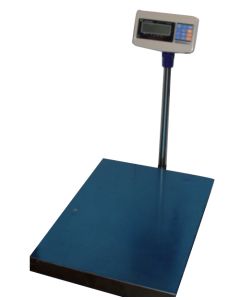 Trade approved Large Platform Scale - Nuweigh JAC939 SeriesA general purpose dual powered, dual range platform scale, up to 600kg capacity.


